



Last items in stock
8,509 Ft
(tax incl.)
Online price
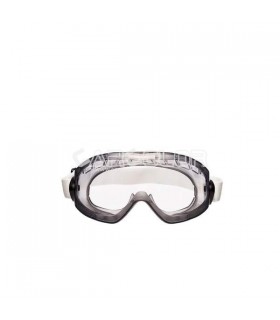
Safety glasses and eye protection for automotive refinishing, sanding and workshop applications. Protection against dust, flying particles, liquid splashes and other common workshop hazards.
Suitable safety glasses are an important part of personal protective equipment during automotive refinishing, sanding, surface preparation and other workshop tasks. Depending on the process, workers may be exposed to dust, flying particles, paint or chemical splashes.
Eye protection should always be selected according to the specific task and identified hazard. Not all safety glasses provide the same level of protection against mechanical particles, liquid splashes or other workplace risks.
Sanding and other machine-based surface preparation processes can generate airborne dust and small particles. Suitable protective eyewear can help reduce the risk of these particles entering the eyes.
Safety glasses should fit securely and provide suitable visibility without unnecessarily restricting the user's field of view.
Paints, clear coats, hardeners, thinners and cleaning products may present a risk of liquid splashes. For these applications, eye protection should be selected with a design and protection rating appropriate for the specific task.
Always check the safety data sheet of the chemical product being used, as it may specify particular eye or face protection requirements.
Conventional safety glasses with side protection may be suitable for certain mechanical hazards, while tasks involving increased dust or splash risk may require more enclosed safety goggles.
The correct type of eye protection should always be selected according to the working environment and identified hazard.
Several factors should be considered when selecting suitable safety glasses:
Heavily scratched, cracked or otherwise damaged lenses can reduce visibility and affect the usability of protective eyewear. Safety glasses should be inspected regularly, cleaned according to the manufacturer's instructions and replaced when necessary.
Eye protection is only one part of a complete PPE system. Depending on the task, suitable respiratory protection, protective gloves, hearing protection or other safety equipment may also be required.
Yes, where sanding can generate airborne dust or flying particles. Suitable eye protection should be selected according to the machine, material and working environment.
The required eye protection depends on the paint, chemical product and splash risk involved. Always check the product safety data sheet and the protection rating of the eyewear.
Yes, provided the products are compatible and neither item interferes with the correct fit or seal of the other protective equipment.
Replace protective eyewear if the lenses are heavily scratched or cracked, or if the frame or other components become damaged or deformed.
Please sign in first.
Sign inCreate a free account to save loved items.
Sign inCreate a free account to use wishlists.
Sign in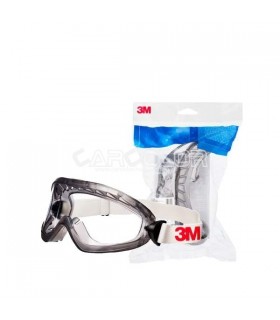
 English
 Magyar

