



In stock
4,572 Ft
(tax incl.)
Online price
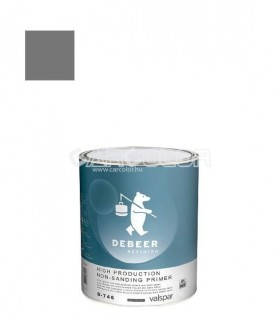
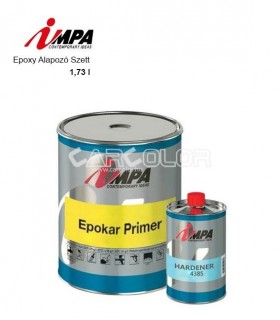
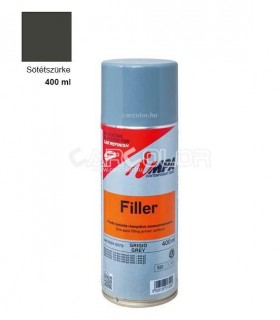
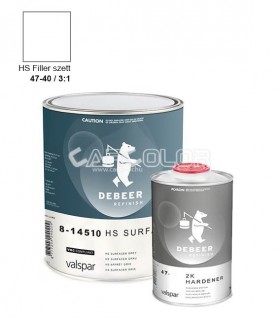
Primer is a type of coating or preparatory material applied to a surface before the application of paint, varnish, or another finishing layer. Its primary purpose is to enhance adhesion, promote uniform coverage, and improve the overall durability and appearance of the final finish.
Adhesion Promotion: One of the key functions of a primer is to create a strong bond between the surface it is applied to and the topcoat. This ensures that the paint or finish adheres well and doesn't peel, crack, or blister over time.
Surface Sealing: Primers can seal porous or uneven surfaces, such as drywall, wood, or masonry, by filling in gaps and imperfections. This not only improves the finish's appearance but also prevents the absorption of the topcoat, which can lead to uneven color or texture.
Stain Blocking: Some primers, known as stain-blocking primers, are formulated to cover and seal stains or discolorations caused by water damage, smoke, or other substances. They prevent these stains from bleeding through the finish coat.
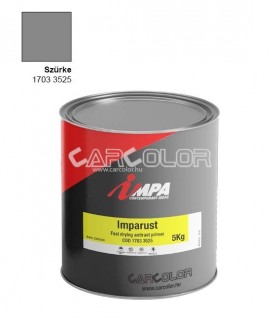
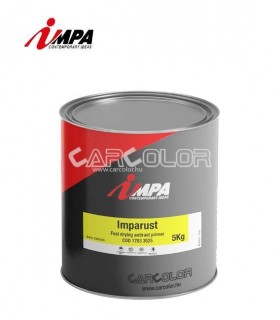
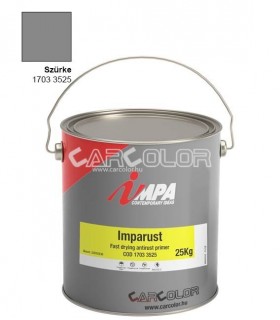
Rust Inhibition: On metal surfaces, particularly iron and steel, anti-corrosion primers are used to prevent rust and corrosion. These primers typically contain rust-inhibiting chemicals.
Improving Paint Performance: In some cases, primers are tailored to enhance the performance of specific types of paints, such as acrylic or oil-based primers designed for their respective topcoats. This ensures compatibility and optimal results
Types of Primers:
Oil-Based Primers: These are suitable for covering stains and sealing porous surfaces but can take longer to dry and may have a strong odor.
Water-Based Primers: These are environmentally friendly, have a milder odor, and are ideal for most interior applications. They dry faster than oil-based primers.
Shellac Primers: Shellac-based primers are excellent at blocking stains and odors and are often used in restoration work.
Latex Primers: Latex or acrylic primers are water-based and work well on drywall and previously painted surfaces.
Priming Surfaces:
Wood: Wood surfaces, especially new or bare wood, should be primed to prevent tannin bleed and ensure a smooth finish.
Metal: Metal surfaces should be primed to inhibit rust and improve paint adhesion.
Drywall: Drywall often requires priming to seal the surface before painting. This prevents the drywall from soaking up the paint unevenly.
Application: Primers are typically applied using brushes, rollers, or spray equipment, depending on the type of primer and the surface being treated. Manufacturers' instructions should be followed for best results.
Choosing the Right Primer: The choice of primer depends on the surface type, the condition of the surface, and the type of finish coat you plan to apply. It's essential to select a primer that is compatible with both the surface and the intended topcoat.
In summary, primers play a vital role in preparing surfaces for painting or finishing by enhancing adhesion, covering stains, and promoting a smooth and durable end result. Choosing the right primer and applying it correctly can significantly improve the quality and longevity of a paint or finish job.
Please sign in first.
Sign inCreate a free account to save loved items.
Sign inCreate a free account to use wishlists.
Sign in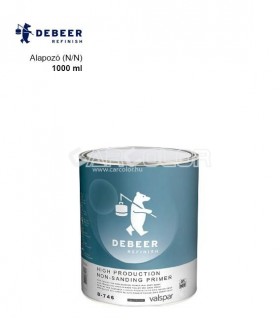














 English
 Magyar
&media=https://www.carcolor.hu/shop/15095-large_default/impa-1703-synthetic-rust-inhibitor-1kg.jpg)
&media=https://www.carcolor.hu/shop/11827-large_default/debeer-8-746-non-sanding-primer-gray-1l.jpg)
&media=https://www.carcolor.hu/shop/15675-large_default/impa-1385-epoxy-primer-set-173-l.jpg)
&media=https://www.carcolor.hu/shop/15101-large_default/impa-1703-synthetic-rust-inhibitor-5kg.jpg)

&media=https://www.carcolor.hu/shop/15110-large_default/impa-1703-synthetic-rust-inhibitor-25kg.jpg)
&media=https://www.carcolor.hu/shop/11833-large_default/debeer-8-74640-non-sanding-primer-black1l.jpg)
&media=https://www.carcolor.hu/shop/15442-large_default/2001-universal-primer-spray-400ml.jpg)
&media=https://www.carcolor.hu/shop/16680-large_default/car-fit-antirust-primer-grey-1kg.jpg)
&media=https://www.carcolor.hu/shop/8441-large_default/debeer-8-145-2k-hs-surfacer-filler-gray-3l.jpg)
&media=https://www.carcolor.hu/shop/15454-large_default/2004-filler-spray-1k-gray-400ml.jpg)
&media=https://www.carcolor.hu/shop/9001-large_default/impa-1540-trend-preparatory-product-for-plastic-parts-05l.jpg)
&media=https://www.carcolor.hu/shop/8444-large_default/debeer-8-145-2k-hs-surfacer-filler-set-gray-4l.jpg)
&media=https://www.carcolor.hu/shop/6579-large_default/1k-plastic-primer-125l.jpg)
&media=https://www.carcolor.hu/shop/7584-large_default/car-fit-2k-epoxy-primer-set-11-1l.jpg)
&media=https://www.carcolor.hu/shop/15469-large_default/impa-1501-bumper-paint-textured-paint-for-bumpers-and-plastic-1l.jpg)
&media=https://www.carcolor.hu/shop/8447-large_default/debeer-8-14510-2k-hs-surfacer-filler-white-3l.jpg)
&media=https://www.carcolor.hu/shop/17894-large_default/spraymax-2k-epoxy-primer-filler-400ml.jpg)
&media=https://www.carcolor.hu/shop/6337-large_default/spralac-5499-washprimer-primer-set-2l.jpg)
&media=https://www.carcolor.hu/shop/15681-large_default/2004-filler-spray-1k-darkgray-400ml.jpg)
&media=https://www.carcolor.hu/shop/8450-large_default/debeer-8-14510-2k-hs-surfacer-filler-sett-white-4l.jpg)
&media=https://www.carcolor.hu/shop/7589-large_default/car-fit-2k-wash-primer-21-set-11-1l.jpg)
&media=https://www.carcolor.hu/shop/8453-large_default/debeer-8-14510-2k-hs-surfacer-filler-black-3l.jpg)