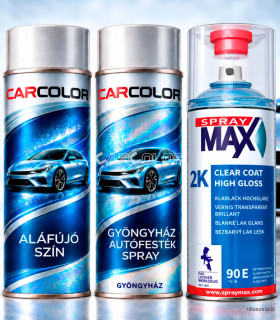
Car Paint Spray
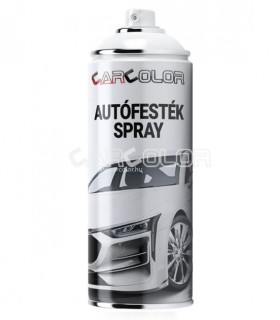
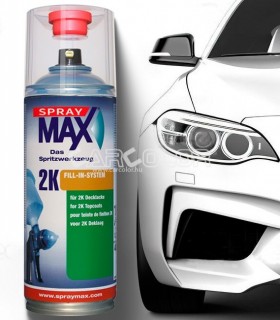
Professional, colour code–matched car paint spray made from OEM-quality automotive paint, individually mixed and filled into aerosol cans. Simply provide the original paint code of your car (car, motorcycle, RAL or NCS colour code) and we will mix the exact shade using leading automotive paint systems, then expertly fill it into a spray can. The filled car paint spray is ideal for bumpers, fenders, smaller body repairs and accessories, even at home. The special formula offers excellent coverage, high gloss and a durable, weather- and UV-resistant finish – backed by more than 30 years of experience in colour mixing and spray filling.
Do you want a car paint spray that matches your vehicle’s original colour exactly and delivers a professional finish, even when used at home?
With our colour code–matched car paint spray solution, we mix your colour from the same professional automotive paint systems that bodyshops use. Simply provide the car, bike, RAL or NCS colour code, and we will create the precise shade based on that code, then professionally fill it into a spray can. Thanks to more than 30 years of experience in colour mixing and spray filling, the repair will blend harmoniously with the original paintwork – ideal for stone chips, scratches, small dents and bumper scuffs.
What is colour code–matched car paint spray?
A colour code–matched car paint spray is a fully customised product that is always mixed to the colour code you provide. It is not a generic “off-the-shelf” spray, but a made-to-order touch-up paint that:
- is mixed according to your vehicle’s original colour code,
- uses the same automotive paint systems as professional bodyshops,
- is filled into high-quality aerosol cans with a special spray head for a fine, even fan pattern,
- can provide a weather-, UV- and chemical-resistant finish when used with the correct primer and clear coat.
As a result, the filled car paint spray delivers a finish that comes very close to the factory paint, while still being possible to apply under home conditions.
What types of damage can car paint spray repair?
Colour code–matched spray is much more than a simple “spot repair” tool. With proper preparation, it can be used for:
- stone chips and small paint chips on the front end and bonnet,
- lighter scratches and surface damage on bumpers and trims,
- parking scuffs and scrapes on corners and edges,
- painting aftermarket parts (spoilers, mirror housings, handles, trim pieces),
- painting wheels, hubcaps, engine covers and smaller components in body colour,
- projects based on RAL or NCS colour codes (e.g. machinery, industrial parts, interior decor).
Spray is primarily ideal for partial panel repairs and smaller areas. For large, continuous surfaces or full panel resprays, it is usually better to use a professional spray gun setup or visit a bodyshop.
How to choose the correct colour using a paint code?
Accurate colour matching starts with the correct paint code. Using the factory code, we can load the correct mixing formula into our system. The steps are:
- Find your car’s paint code: depending on the make and model, it may be located in the boot area, on a door jamb, in the engine bay, on the vehicle identification plate or in the service book.
- Provide it when ordering: enter the full code exactly as shown (letters and numbers) and, if needed, include the make, model and year as well.
- We identify the formula: we look up your code in professional automotive paint databases and mix the colour according to the corresponding factory formula.
- Spray filling: the mixed paint is filled into a pressurised aerosol can using a specialised valve and nozzle system for fine, even atomisation.
If you are unsure about where to find the paint code, you can provide your vehicle details and ask our customer service for help – in many cases the correct car paint colour code can be identified from the database.
How to use car paint spray – step by step
- Surface preparation: wash and degrease the area to be repaired thoroughly. If necessary, lightly sand the damaged area and its surroundings with fine sandpaper (e.g. P800–P1000) to smooth the surface and improve adhesion.
- Masking: mask off areas you do not want to paint using masking tape and paper. The more precise the masking, the cleaner the transition lines will be.
- Priming: for proper corrosion protection and adhesion – especially on bare metal, plastic or repaired areas – apply an appropriate primer. Allow it to dry according to the technical data sheet.
- Preparing the spray can: shake the can vigorously for at least 2–3 minutes so that the pigments are thoroughly mixed. It is a good idea to re-shake periodically during use.
- Test spray: always perform a test spray on cardboard or an inconspicuous area to check the spray pattern and colour appearance.
- Spraying: hold the can about 15–20 cm away from the surface and apply several thin coats rather than one thick one. Allow recommended flash-off time between coats as per product instructions.
- Clear coating: after sufficient drying time – especially with metallic or pearlescent colours – apply a 1K or 2K clear coat to seal the surface for gloss, durability and UV protection.
- Aftercare: avoid washing, chemicals and heavy mechanical stress until the coating has fully cured (this may take several hours up to a couple of days, depending on conditions).
How to Use Car Paint Spray (video)
Why we recommend colour code–matched car paint spray
Colour code–matched car paint spray is an ideal choice for anyone who wants a quick yet high-quality repair:
- Exact shade based on the paint code: the paint is mixed according to the vehicle’s original paint code, so it blends very well with the factory finish and provides a uniform result.
- Easy to use at home: no professional spray gun or compressor is required – just a properly prepared surface and correct spraying technique.
- Fast drying and durable finish: modern formulas dry quickly, offer strong coverage and can provide a long-lasting coating when combined with the correct clear coat.
- Versatile application: suitable for small repairs, partial resprays, accessories, plastic parts and wheels.
- Cost-effective solution: you don’t need to respray an entire panel in a bodyshop for smaller defects, which saves both time and money.
If you are unsure which package to choose or how to start the repair, our customer service can guide you step by step in selecting the right products and application method.
Frequently Asked Questions about colour code–matched car paint sprays (FAQ)
Where can I find my car’s factory paint code?
The paint code can be located in different places depending on the make and model: inside the boot lid, on a door jamb, in the engine bay, on a vehicle identification plate or in the service book. It is usually a combination of letters and numbers. If you cannot find it, it often helps to provide the vehicle details (make, model, year, VIN) so that the correct car paint colour code can be looked up in the database.
What is the difference between universal spray paint and colour code–matched car paint spray?
Generic DIY sprays contain fixed, pre-mixed colours that rarely match a factory car colour exactly. A colour code–matched car paint spray is always mixed individually to your specific code. It is prepared from professional automotive paint systems used in bodyshops, so colour matching is much more accurate and the coverage, durability and finish are significantly better.
Is car paint spray alone enough, or do I also need clear coat?
For solid, one-stage colours there are systems where gloss comes from the colour coat itself, but most modern metallic and pearlescent colours require a proper system build-up: primer + basecoat (colour code–matched spray) + clear coat. The clear coat provides final gloss, chemical and UV resistance, so for a long-lasting and attractive result a separate clear coat is strongly recommended.
How large an area can I paint with one can of car paint spray?
This depends on the colour, surface preparation and technique, but as a general guideline one standard can is usually enough for a smaller body part (for example, a mirror housing, bumper corner, trim piece or partial panel repair). Because you apply multiple thin coats, actual coverage will always depend on the nature of the repair – for larger projects you should plan on using more than one can.
Can I use colour code–matched car paint spray on plastic bumpers and other plastic parts?
Yes, plastic bumpers, mirror housings, spoilers and other plastic parts can be painted with colour code–matched car paint spray, but it is particularly important to use the correct plastic primer. This ensures proper adhesion and a durable coating so that the paint will not peel or crack prematurely.
How durable is a repair done with car paint spray?
When the surface is correctly prepared, primed, sprayed with the colour code–matched basecoat and finished with clear coat, the result is weather- and UV-resistant and can withstand everyday use. Durability depends largely on following the correct process: thorough cleaning, rust removal, appropriate primers, respect for drying times and proper clear coat application.
Can a beginner carry out spray repairs at home?
Yes, a colour code–matched car paint spray is a good solution for DIY users as well, provided you follow a few basic rules: thorough preparation, careful masking, multiple thin coats and patience with drying times. It is advisable to practice on a test panel first and to use suitable safety equipment (mask, gloves, well-ventilated area).
What can I do if I cannot find the exact paint code?
If you cannot locate the factory label or the information is missing, write down all available details (make, model, year, VIN) and share them with us. In many cases the possible colour codes can be narrowed down from this data. It is also possible to work from a physical sample (for example, fuel flap or trim piece) – in such cases, a custom matching process is required to achieve the closest possible colour match.