


In stock
227 Ft
(tax incl.)
Online price
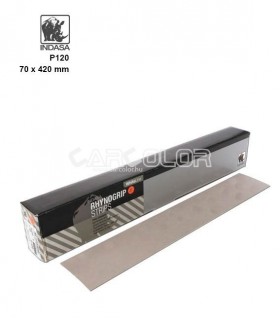
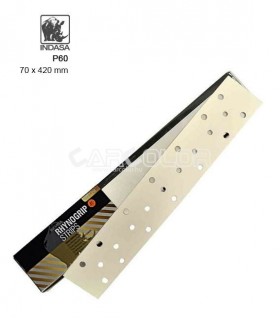
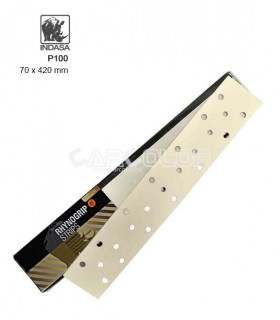
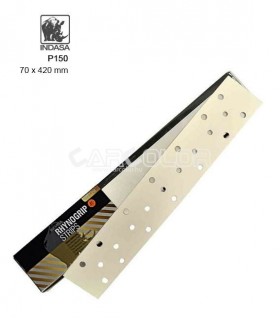
Abrasive sheets, also known as sandpaper or sanding sheets, are flat, flexible materials used for a variety of sanding, smoothing, and polishing tasks. They are coated with abrasive materials, such as aluminum oxide, silicon carbide, or emery, and come in different sizes, grits, and backing materials to suit various applications.
Sanding and Surface Finishing: Abrasive sheets are primarily used for sanding and finishing various surfaces, including wood, metal, plastic, and drywall. They help remove material, smooth rough surfaces, and prepare them for painting, staining, or further finishing.
Grit Sizes: Abrasive sheets come in a range of grit sizes, which determine the coarseness or fineness of the abrasive. Coarser grits (lower numbers) remove material more aggressively, while finer grits (higher numbers) provide a smoother finish. Common grit sizes range from around 40 to 400 or higher.
Abrasive Materials: The type of abrasive material used on abrasive sheets depends on the application. Common abrasive materials include aluminum oxide (suitable for general-purpose sanding), silicon carbide (ideal for hard or brittle materials), and emery (used for metal and jewelry polishing).
Backing Material: Abrasive sheets are typically attached to a backing material that provides support and flexibility. Backing materials can include paper, cloth, or film. The choice of backing material influences the sheet's durability and application.
Sheet Formats: Abrasive sheets are available in various formats, including full sheets, half sheets, or smaller pre-cut pieces. Full sheets are typically 9x11 inches, but other sizes are also available. Half sheets are half that size.
Specialty Sheets: Some abrasive sheets are designed for specific tasks or materials, such as wet/dry sandpaper, which can be used with water for wet sanding, or self-adhesive sheets, which have an adhesive backing for easy application.
Applications: Abrasive sheets are used in woodworking, metalworking, automotive repair, construction, and many other industries. They are employed for tasks like smoothing rough wood, preparing metal surfaces for painting, or removing imperfections from drywall.
Safety Considerations: When using abrasive sheets, it's important to wear appropriate safety gear, such as safety glasses, a dust mask, and hearing protection, depending on the task. Adequate dust and debris control is necessary to protect against inhalation of abrasive particles.
Techniques: Proper sanding techniques, including using even pressure and following the grain (in the case of wood), are important for achieving a smooth and consistent finish.
Storage and Maintenance: Store abrasive sheets in a dry place to prevent them from becoming clogged with dust or losing their abrasive properties. Discard sheets that are worn or damaged.
Abrasive sheets are versatile tools commonly found in workshops and construction sites. Selecting the right abrasive sheet with the appropriate grit and backing material is essential to achieve the desired level of surface smoothness and quality for your specific project.
Please sign in first.
Sign inCreate a free account to save loved items.
Sign inCreate a free account to use wishlists.
Sign in




 English
 Magyar
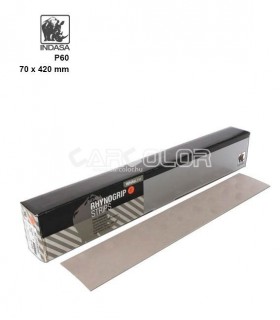
&media=https://www.carcolor.hu/shop/8185-large_default/indasatm-rhynogrip-dry-sanding-strips-70x420mm-p60.jpg)
&media=https://www.carcolor.hu/shop/8186-large_default/indasatm-rhynogrip-dry-sanding-strips-70x420mm-p80.jpg)
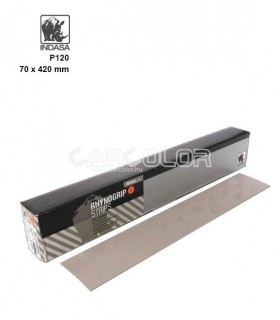
&media=https://www.carcolor.hu/shop/8187-large_default/indasatm-rhynogrip-dry-sanding-strips-70x420mm-p120.jpg)
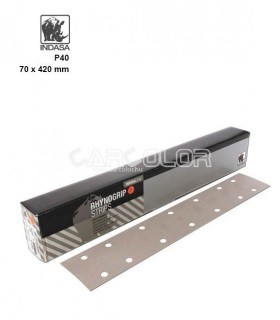
&media=https://www.carcolor.hu/shop/8188-large_default/indasatm-rhynogrip-dry-sanding-strips-70x420mm-23-hole-p40.jpg)
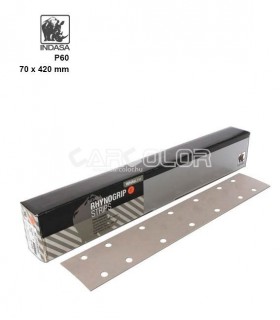
&media=https://www.carcolor.hu/shop/8189-large_default/indasatm-rhynogrip-dry-sanding-strips-70x420mm-23-hole-p60.jpg)
&media=https://www.carcolor.hu/shop/8190-large_default/indasatm-rhynogrip-dry-sanding-strips-70x420mm-23-hole-p80.jpg)
&media=https://www.carcolor.hu/shop/8191-large_default/indasa-rhynogrip-dry-sanding-strips-70x420mm-23-hole-p120.jpg)
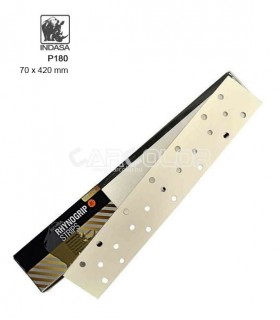
&media=https://www.carcolor.hu/shop/9427-large_default/indasatm-rhynogrip-dry-sanding-strips-70x420mm-23-hole-p180.jpg)
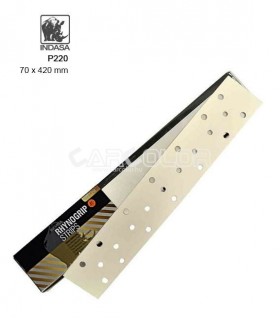
&media=https://www.carcolor.hu/shop/9430-large_default/indasatm-rhynogrip-dry-sanding-strips-70x420mm-23-hole-p220.jpg)
&media=https://www.carcolor.hu/shop/9514-large_default/indasatm-ht-line-rhynogrip-dry-sanding-strips-70x420mm-23-hole-p60.jpg)
&media=https://www.carcolor.hu/shop/9520-large_default/indasatm-ht-line-rhynogrip-dry-sanding-strips-70x420mm-23-hole-p100.jpg)
&media=https://www.carcolor.hu/shop/9523-large_default/indasa-ht-line-rhynogrip-dry-sanding-strips-70x420mm-23-hole-p120.jpg)
&media=https://www.carcolor.hu/shop/9526-large_default/indasatm-rhynogrip-dry-sanding-strips-70x420mm-23-hole-p150.jpg)
&media=https://www.carcolor.hu/shop/9529-large_default/indasatm-rhynogrip-dry-sanding-strips-70x420mm-23-hole-p180.jpg)
&media=https://www.carcolor.hu/shop/9532-large_default/indasatm-rhynogrip-dry-sanding-strips-70x420mm-23-hole-p220.jpg)
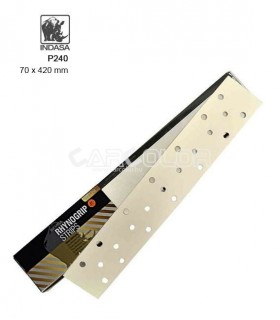
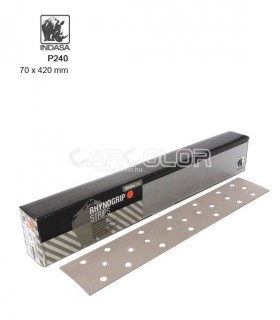
&media=https://www.carcolor.hu/shop/9535-large_default/indasatm-rhynogrip-dry-sanding-strips-70x420mm-23-hole-p240.jpg)
&media=https://www.carcolor.hu/shop/9556-large_default/indasatm-rhynogrip-dry-sanding-strips-70x420mm-23-hole-p240.jpg)
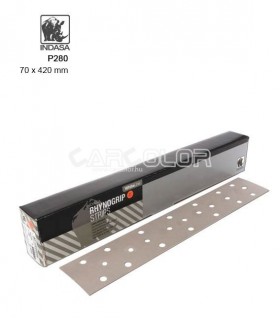
&media=https://www.carcolor.hu/shop/9553-large_default/indasatm-rhynogrip-dry-sanding-strips-70x420mm-23-hole-p280.jpg)
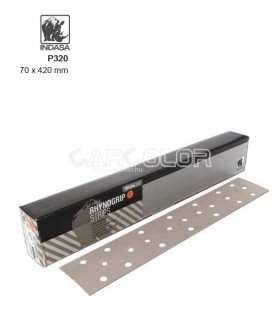
&media=https://www.carcolor.hu/shop/9550-large_default/indasatm-rhynogrip-dry-sanding-strips-70x420mm-14-hole-p320.jpg)
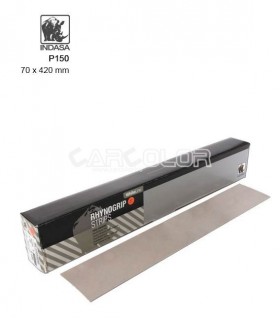
&media=https://www.carcolor.hu/shop/12001-large_default/indasatm-rhynogrip-dry-sanding-strips-70x420mm-p150.jpg)
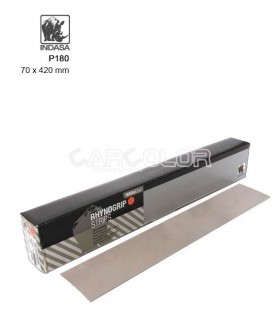
&media=https://www.carcolor.hu/shop/12004-large_default/indasatm-rhynogrip-dry-sanding-strips-70x420mm-p180.jpg)
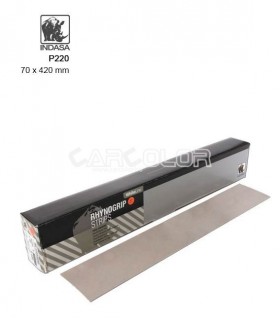
&media=https://www.carcolor.hu/shop/12007-large_default/indasatm-rhynogrip-dry-sanding-strips-70x420mm-p220.jpg)
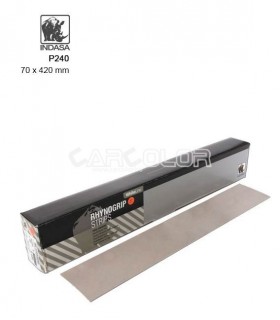
&media=https://www.carcolor.hu/shop/12010-large_default/indasatm-rhynogrip-dry-sanding-strips-70x420mm-p240.jpg)