



In stock
3,023 Ft
(tax incl.)
Online price
Masking tape is essential in automotive painting tasks as it ensures that the paint stays only where it is needed. The proper use of painter tapes and protection tapes allows for clean paint lines while protecting non-painted surfaces from overspray. Tapes help carry out precise and clean painting tasks, minimizing unnecessary cleanup.
The selection of the appropriate masking tapes depends on the type of painting work, the viscosity of the paints, and the desired precision. Below are some commonly used types:
Choosing the right tape ensures the best results while helping to maintain the cleanliness of the painting process.
Quality masking ensures that the paint does not spread to unwanted areas. The right painter tapes not only help create clean paint lines but also minimize paint usage. A high-quality tape prevents the paint from leaking, ensuring precise and clean work.
At the end of the painting, proper masking results in easier cleanup, as the paint will not stick to unwanted areas.
1️⃣. Consider the surface type: The surface type plays an important role in selecting the tape. Standard tapes adhere well on smoother surfaces, while specialized adhesion tapes are needed for rougher surfaces.
2️⃣. Paint type: Choose the appropriate tape based on the type of paint being applied. Water-based paints require different tapes compared to solvent-based paints.
3️⃣. Tape width: The width of the tape affects how precisely you can apply it. For detailed work, thinner tapes are necessary, while for larger areas, wider tapes are recommended.
4️⃣. Quality and reliability: Trusted, well-known brands provide the best quality. It is advisable to choose tapes that leave no sticky residue and can be removed easily without damaging the painted surface.
6️⃣. Weather factors: Weather conditions can affect the adhesion of cheaper tapes, especially in high temperatures or high humidity. Keep weather conditions in mind during masking.
7️⃣. Testing is recommended: If you are unsure about your choice, test the tape on a smaller area to ensure proper adhesion and the desired painting result.
Choosing the right tapes not only improves the quality of the painting work but also makes it faster and more efficient.
Traditional masking: Painter tapes and protection tapes are applied manually to create precise and clean paint lines. This method is ideal for smaller, detailed work where attention to detail is important.
Automatic masking: Machine masking used in larger industrial environments, which quickly and efficiently protects surfaces with minimal human intervention.
Main masking tools:
Important properties to consider:
Surface compatibility: Make sure the tapes are suitable for the type of surface being painted.
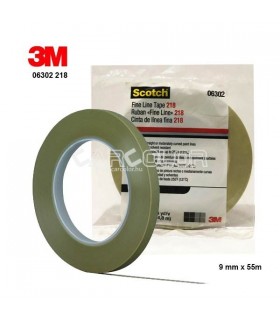
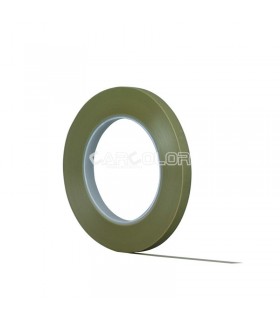
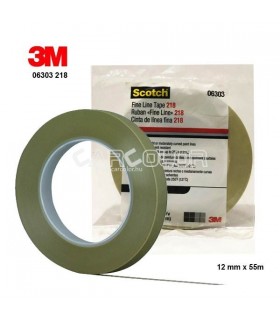
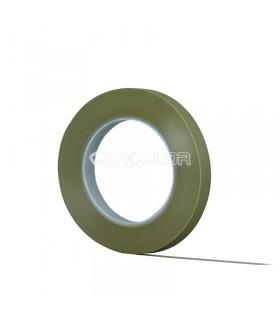
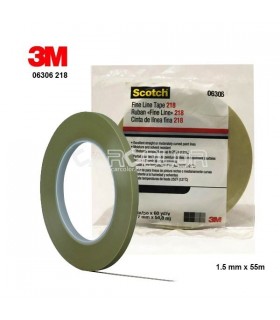
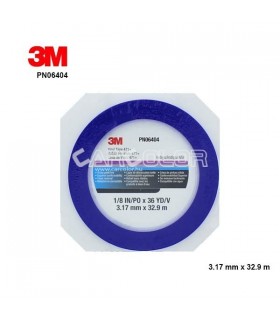
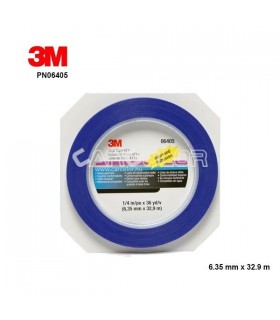
Different types are designed for specific needs: premium automotive painter tapes adhere well but leave no adhesive residue, while heat-resistant versions are reliable in paint booths and extreme environments. Fine line tapes allow for perfect execution of intricate patterns and curved lines.
Using the right product not only improves the quality of the work but also helps reduce the time spent on post-work cleanup. The tapes in our range provide excellent adhesion on various surfaces and offer reliable protection against unwanted paint layers.
Explore the different types and choose the one that best suits your needs! Check out our selection and make your work process more efficient with quality solutions!
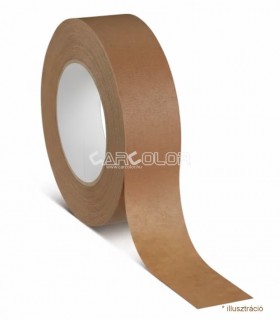
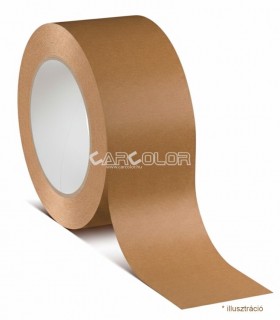
Masking tape is a type of adhesive tape that is designed for various applications where precision, temporary surface protection, or clean lines are required. It typically features an adhesive on one side and a paper or film backing. Masking tape is known for its versatility and ease of use, making it a valuable tool in painting, construction, crafting, and other tasks. Here are some key features and common uses of masking tape:
Features:
Adhesive: Masking tape is equipped with a pressure-sensitive adhesive that allows it to stick to a wide range of surfaces, yet it can be easily removed without leaving a residue.
Backing: The backing material of masking tape can vary. It's typically made of paper, but you can also find versions with film or cloth backings. The choice of backing material depends on the intended application.
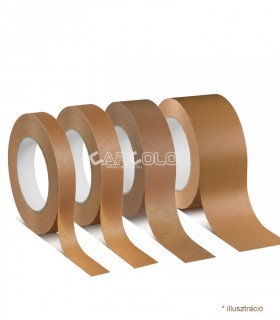
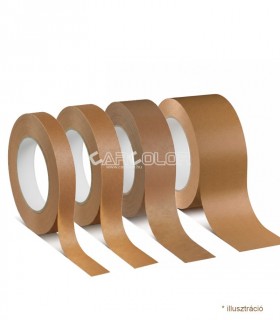
Width and Length: Masking tape comes in various widths and lengths to suit different tasks and applications. Common widths include 1/2-inch, 3/4-inch, and 1-inch, but wider tapes are available as well.
Crepe Paper Tape: One of the most common types of masking tape is made from crepe paper. This type has good conformability and can be easily torn by hand.
Residue-Free Removal: A significant advantage of masking tape is its ability to be removed cleanly without leaving adhesive residue on surfaces. This is especially important when working on sensitive or finished surfaces.
Common Uses:
Painting: Masking tape is widely used in painting applications. It allows for clean lines and sharp edges by protecting adjacent areas from paint overspray.
Construction: In construction and renovation projects, masking tape can be used to protect surfaces, such as windows and trims, from damage during other work like drywalling, tiling, or plastering.
Crafts and DIY Projects: Masking tape is a staple in crafting and DIY projects. It is used for creating patterns, securing materials, and for various design purposes.
Labeling and Marking: It can be used for temporary labeling and marking, such as organizing storage boxes, marking the edges of furniture to simplify reassembly, or labeling cables and cords.
Temporary Repairs: In some cases, masking tape can provide temporary fixes for minor repairs. It can hold things together or seal gaps until a more permanent solution can be implemented.
Protective Covering: When sanding or applying finishes, masking tape can protect adjacent surfaces from damage and overspray.
Color Coding: Masking tape is often used for color coding, organizing, or categorizing items and equipment.
In summary, masking tape is a versatile and handy tool in various industries and for DIY projects. Its ability to provide clean lines, temporary protection, and residue-free removal makes it an essential item in many toolboxes and workplaces.
Please sign in first.
Sign inCreate a free account to save loved items.
Sign inCreate a free account to use wishlists.
Sign in



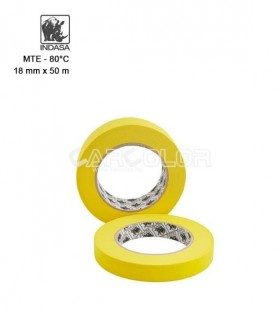
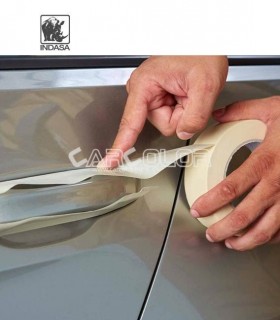
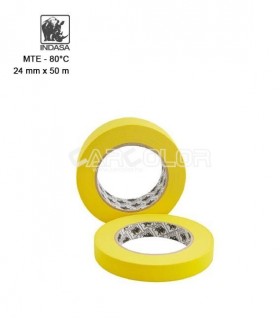


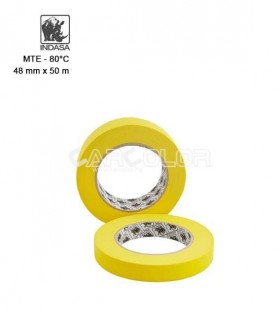



 English
 Magyar
&media=https://www.carcolor.hu/shop/7915-large_default/3mtm-06300-scotchr-fine-line-tape-218-green-3mm.jpg)
&media=https://www.carcolor.hu/shop/7916-large_default/3mtm-06301-scotchr-fine-line-tape-218-green-6mm.jpg)
&media=https://www.carcolor.hu/shop/7917-large_default/3mtm-06302-scotchr-fine-line-tape-218-green-9mm.jpg)
&media=https://www.carcolor.hu/shop/7918-large_default/3mtm-06303-scotchr-fine-line-tape-218-green-12mm.jpg)
&media=https://www.carcolor.hu/shop/7920-large_default/3mtm-06306-scotchr-fine-line-tape-218-green-15mm.jpg)
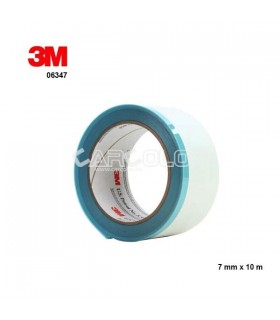
&media=https://www.carcolor.hu/shop/7923-large_default/3mtm-06347-trim-masking-tape-7mm.jpg)
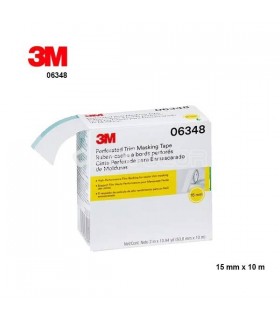
&media=https://www.carcolor.hu/shop/7925-large_default/3mtm-06348-trim-masking-tape-15mm.jpg)
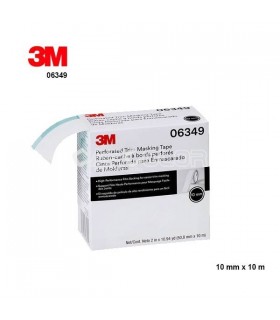
&media=https://www.carcolor.hu/shop/7932-large_default/3mtm-06349-trim-masking-tape-10mm.jpg)
&media=https://www.carcolor.hu/shop/7934-large_default/3mtm-06404-scotchr-fine-line-tape-471-blue-3mm.jpg)
&media=https://www.carcolor.hu/shop/7936-large_default/3mtm-06405-scotchr-fine-line-tape-471-blue-6mm.jpg)
&media=https://www.carcolor.hu/shop/7938-large_default/3mtm-06406-scotchr-fine-line-tape-471-blue-9mm.jpg)
&media=https://www.carcolor.hu/shop/7939-large_default/3mtm-06408-scotchr-fine-line-tape-471-blue-12mm.jpg)
&media=https://www.carcolor.hu/shop/17532-large_default/premium-masking-tape-80oc-19mm.jpg)
&media=https://www.carcolor.hu/shop/17533-large_default/premium-masking-tape-80oc-25mm.jpg)
&media=https://www.carcolor.hu/shop/17534-large_default/premium-masking-tape-80oc-38mm.jpg)
&media=https://www.carcolor.hu/shop/17535-large_default/premium-masking-tape-80oc-50mm.jpg)
&media=https://www.carcolor.hu/shop/9592-large_default/indasa-mte-premium-masking-tape-80oc-18mm.jpg)
&media=https://www.carcolor.hu/shop/9604-large_default/indasa-mte-premium-masking-tape-80oc-24mm.jpg)
&media=https://www.carcolor.hu/shop/9613-large_default/indasa-mte-premium-masking-tape-80oc-36mm.jpg)
&media=https://www.carcolor.hu/shop/9622-large_default/indasa-mte-premium-masking-tape-80oc-48mm.jpg)
&media=https://www.carcolor.hu/shop/9667-large_default/indasatm-fine-line-tape-green-3mm.jpg)
&media=https://www.carcolor.hu/shop/9670-large_default/indasatm-fine-line-tape-green-6mm.jpg)
&media=https://www.carcolor.hu/shop/9679-large_default/indasatm-fine-line-tape-green-9mm.jpg)