

Filter By
Filter By
Disposable & Protective Gloves
Disposable and protective gloves for automotive refinishing, paint mixing, cleaning and workshop tasks. Comfortable hand protection for working with paints, oils, contamination and a range of workshop materials.



Last items in stock
14,520 Ft
(tax incl.)
Online price


In stock
8,204 Ft
(tax incl.)
9,652 Ft
Online price
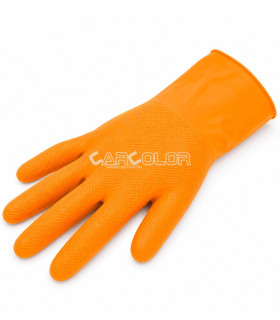
CAR FIT professional orange nitrile gloves in a 50-piece pack. Hypoallergenic, powder-free and silicone-free, with good dexterity and resistance to oil, grease, lye and many chemical substances.




Disposable & Protective Gloves for Automotive Refinishing
Suitable disposable or protective gloves are useful for automotive refinishing, paint mixing, surface preparation, cleaning and general workshop tasks. They help reduce direct skin contact with paints, dirt, oils and various workshop materials.
A properly fitting glove can also provide good grip and dexterity, making it easier to carry out precise work without unnecessarily restricting hand movement.
Disposable Gloves for Painting and Paint Mixing
Clean working practices are particularly important when preparing paints, primers, clear coats and other refinishing materials. Disposable gloves help prevent grease, dirt and contamination from being transferred from the hands to prepared surfaces.
For paint mixing and detailed repair work, a close-fitting glove can provide useful protection while maintaining good fingertip control.
Protective Gloves for Cleaning and Workshop Tasks
Workshop work can involve cleaners, oils, grease and various contaminants in addition to paint products. Suitable protective gloves can help reduce direct skin contact while helping to keep hands cleaner during everyday tasks.
The correct type of glove should always be selected according to the specific job and materials being handled.
Choosing the Right Protective Gloves
When choosing gloves, consider the application, substances being handled, required level of dexterity and expected duration of use.
- select the correct size for a secure and comfortable fit,
- check the glove material and chemical resistance,
- choose a suitable level of dexterity for detailed work,
- replace damaged or torn gloves immediately,
- check the chemical product safety data sheet before use.
Chemical Resistance and Hand Protection
Not every glove provides the same protection against paints, thinners or other chemicals. Glove material, thickness and construction can significantly affect chemical resistance.
Before working with paints, hardeners, thinners or other chemical products, always check the relevant safety data sheet and the glove manufacturer's chemical resistance information.
Frequently Asked Questions About Protective Gloves
What gloves should I use for automotive painting?
The correct glove depends on the paint, clear coat, thinner and other chemicals being used. Always check the product safety data sheet and the glove manufacturer's chemical resistance information.
Can disposable gloves be used for paint mixing?
Yes, provided that the glove material is suitable for the products being handled. Disposable gloves can be practical for paint mixing and detailed refinishing work.
When should disposable gloves be replaced?
Replace gloves if they become torn, punctured, heavily contaminated or visibly damaged. Always follow the manufacturer's instructions for disposable products.
Are all rubber gloves chemical resistant?
No. Different glove materials provide different levels of resistance to paints, solvents and other chemicals. Always verify compatibility before use.
 English
 Magyar

&media=https://www.carcolor.hu/shop/6644-large_default/4cr-latex-gloves-sizem-50pcs.jpg)
&media=https://www.carcolor.hu/shop/13032-large_default/latex-gloves-sizem-50pcs.jpg)
&media=https://www.carcolor.hu/shop/13035-large_default/latex-gloves-sizel-50pcs.jpg)
&media=https://www.carcolor.hu/shop/13038-large_default/latex-gloves-sizexl-50pcs.jpg)
&media=https://www.carcolor.hu/shop/13047-large_default/latex-gloves-sizel-100pcs.jpg)
&media=https://www.carcolor.hu/shop/13050-large_default/latex-gloves-sizexl-100pcs.jpg)
&media=https://www.carcolor.hu/shop/17777-large_default/car-fit-professional-nitrile-gloves-orange-l-xl-xxl-50-pcs.jpg)
&media=https://www.carcolor.hu/shop/6556-large_default/vinyl-gloves-100pcs.jpg)
&media=https://www.carcolor.hu/shop/6643-large_default/corcos-latex-gloves-sizel-50pcs.jpg)
&media=https://www.carcolor.hu/shop/6645-large_default/4cr-latex-gloves-sizexl-50pcs.jpg)
&media=https://www.carcolor.hu/shop/13044-large_default/latex-gloves-sizexl-100pcs.jpg)