



In stock
3,429 Ft
(tax incl.)
Online price
High-temperature spray paints for metal surfaces exposed to elevated operating temperatures. Heat-resistant aerosol coatings rated from 250 to 650°C for suitable exhaust components, stoves, fireplaces, boilers, flue pipes and other heat-exposed metal parts.
Select the coating according to the actual operating temperature of the surface. Dedicated engine and brake-caliper paints are available separately for those specific applications.
High-temperature paint is a specialist coating designed for metal surfaces exposed to operating temperatures that conventional paints may not tolerate.
This category primarily includes heat-resistant spray paints rated from 250 to 650°C for suitable exhaust components, stoves, fireplaces, boilers, flue pipes, ovens, external barbecue surfaces and other heat-exposed metal parts.
Temperature rating is critical. A coating rated to 250°C is not a substitute for a 600 or 650°C product, so always select the paint according to the actual maximum surface temperature.
Depending on the individual product specification, common applications can include:
600°C heat-resistant spray paint is a common choice for suitable stoves, fireplaces, flue pipes, boilers and exhaust components.
The current range includes Car-Rep 600°C coatings in black, silver and white.
The 600°C rating does not mean that the coating is automatically suitable for every component reaching that temperature. Substrate, heating cycles and the manufacturer's approved application remain important.
The range also includes a black C.A.R. Fit coating rated to 650°C for applications requiring a higher temperature limit.
Exhaust manifolds, turbocharger areas and components close to catalytic converters can experience very high surface temperatures, so always verify the actual operating conditions before selecting a coating.
Not every heated component requires a 600–650°C coating. The range also contains red 250°C and black 400°C heat-resistant paints for applications operating within those specified limits.
Choose the required temperature rating before selecting colour or finish.
When selecting exhaust paint, remember that temperatures vary considerably throughout the exhaust system.
A rear silencer, centre pipe, manifold and area around a catalytic converter do not operate at the same temperature. Use a coating only where its approved temperature rating and application specification match the component.
Suitable high-temperature coatings can be used to refinish approved external metal surfaces of stoves, fireplaces, boilers and flue pipes.
Do not apply general heat-resistant paint inside combustion chambers, directly onto flame-contact surfaces or where the appliance manufacturer does not permit coating.
Selected high-temperature paints can be suitable for appropriate external metal surfaces of barbecues.
Do not apply general-purpose high-temperature paint to cooking grates, food-contact surfaces or internal combustion areas unless the individual coating is specifically approved for that purpose.
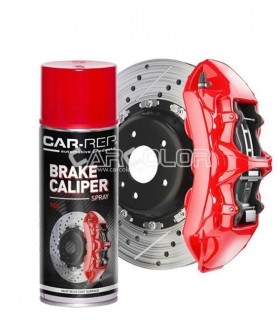
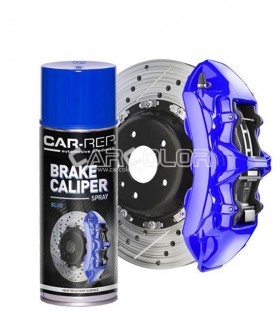
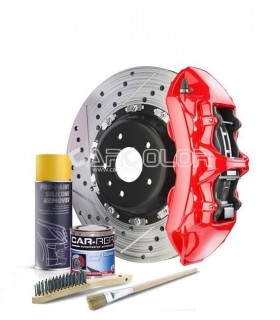
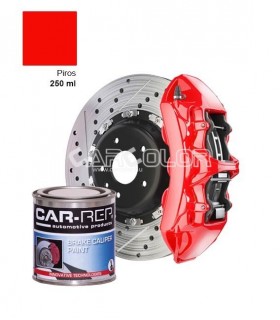
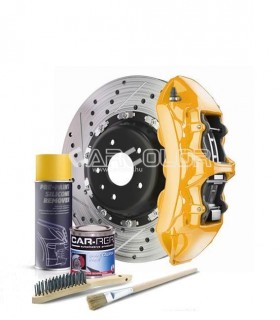
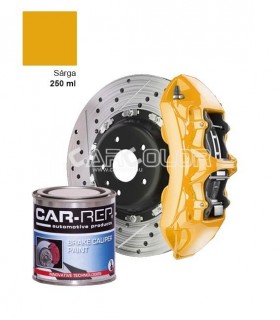
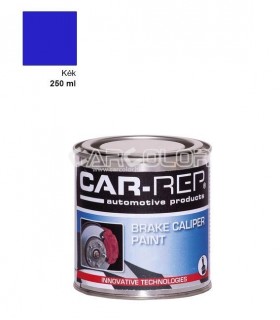
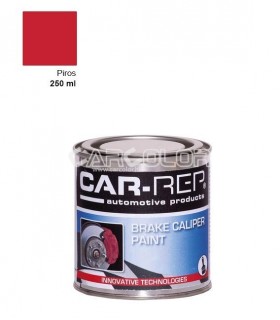
Brake-caliper products can also appear in this category because of their heat resistance, but they are specialist coatings developed specifically for visible brake components.
For this application, use the dedicated brake-caliper paint range rather than selecting a general 600°C exhaust or stove coating solely on its temperature rating.
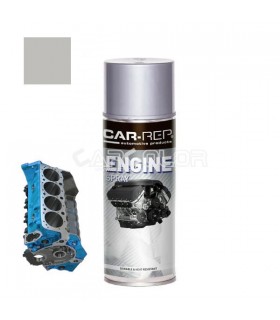
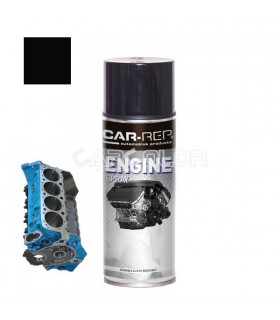
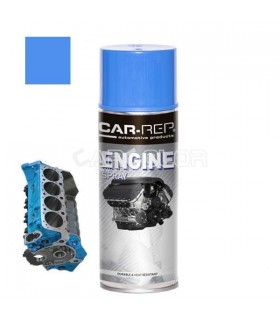
Engine paint is another specialist heat-resistant coating designed for a different operating-temperature range.
The current Car-Rep engine paints are rated to 110°C and are intended for engines, gearboxes and similar components. They should not be treated as substitutes for 600–650°C exhaust coatings.
The most important selection criterion is the actual maximum surface temperature, not simply the colour or price of the paint.
Choose a coating whose approved temperature range comfortably covers the operating conditions of the component, then consider colour, substrate and application requirements.
Do not automatically use conventional automotive primer beneath a high-temperature coating, because the primer itself may not tolerate the operating temperature.
Always follow the individual manufacturer's instructions for spray distance, coat number, flash-off and drying time.
Several light, even coats are generally preferable to one heavy application. Shake the aerosol thoroughly and carry out a test spray first.
Some heat-resistant coatings develop their final properties only after drying and controlled heat exposure. Curing requirements vary between products, so do not apply one general heat-curing procedure to every coating.
Not necessarily. Many high-temperature coating systems are designed for direct application to correctly prepared metal.
If a primer is required, it must itself withstand the operating temperature and be compatible with the topcoat. Follow the individual coating system rather than using a conventional primer automatically.
Apply heat-resistant aerosol paint only to cool surfaces and with adequate ventilation. Follow the product label, technical data sheet and safety data sheet.
Use the specified respiratory, eye and skin protection and keep pressurised aerosols away from flames, sparks, hot components and other ignition sources.
It is used on suitable metal surfaces exposed to elevated temperatures, including selected exhaust parts, stoves, fireplaces, boilers and flue pipes within the coating's approved temperature range.
Select according to the actual surface temperature of the specific exhaust component. Different parts of an exhaust system can operate at very different temperatures.
Depending on the product, it can be used on suitable stoves, fireplaces, flue pipes, boilers, exhaust components and other metal surfaces operating within the approved temperature range.
Not always. Use primer only where the individual coating system specifies or permits it, and ensure that the primer can withstand the required operating temperature.
Loose rust and unstable coating should be removed first. Heat-resistant paint does not replace correct surface preparation.
Selected products can be used on suitable external metal surfaces, but general heat-resistant paint should not be applied to cooking grates or food-contact surfaces unless specifically approved.
No. Brake-caliper paint is a specialist coating for brake components and has its own temperature and application specification.
Please sign in first.
Sign inCreate a free account to save loved items.
Sign inCreate a free account to use wishlists.
Sign in













 English
 Magyar
&media=https://www.carcolor.hu/shop/12169-large_default/heat-resistant-spray-silver-600-c-400ml.jpg)
&media=https://www.carcolor.hu/shop/12172-large_default/heat-resistant-spray-silver-600-c-400ml.jpg)
&media=https://www.carcolor.hu/shop/12175-large_default/heat-resistant-spray-white-600-c-400ml.jpg)
&media=https://www.carcolor.hu/shop/7487-large_default/spraypaint-car-rep-engine-silver-400ml.jpg)
&media=https://www.carcolor.hu/shop/7488-large_default/spraypaint-car-rep-engine-black-400ml.jpg)
&media=https://www.carcolor.hu/shop/7524-large_default/car-fit-thermo-paint-spray-650-400-ml.jpg)
&media=https://www.carcolor.hu/shop/7880-large_default/spraypaint-car-rep-engine-blue-400ml.jpg)
&media=https://www.carcolor.hu/shop/7908-large_default/spraypaint-car-rep-engine-green-400ml.jpg)
&media=https://www.carcolor.hu/shop/7909-large_default/spraypaint-car-rep-engine-red-400ml.jpg)
&media=https://www.carcolor.hu/shop/12187-large_default/brake-calipers-heat-resistant-spray-red-260-c-400ml.jpg)
&media=https://www.carcolor.hu/shop/12190-large_default/brake-calipers-heat-resistant-spray-blue-260-c-400ml.jpg)
&media=https://www.carcolor.hu/shop/12193-large_default/brake-calipers-heat-resistant-spray-yellow-260-c-400ml.jpg)
&media=https://www.carcolor.hu/shop/12951-large_default/brake-calipers-heat-resistant-paint-set-red-260-c-250ml.jpg)
&media=https://www.carcolor.hu/shop/12957-large_default/brake-calipers-heat-resistant-paint-set-blue-260-c-250ml.jpg)
&media=https://www.carcolor.hu/shop/12963-large_default/brake-calipers-heat-resistant-paint-set-yellow-260-c-250ml.jpg)
&media=https://www.carcolor.hu/shop/16843-large_default/brake-calipers-heat-resistant-paint-yellow-260-c-250ml.jpg)
&media=https://www.carcolor.hu/shop/16844-large_default/brake-calipers-heat-resistant-paint-blue-260-c-250ml.jpg)
&media=https://www.carcolor.hu/shop/16848-large_default/brake-calipers-heat-resistant-paint-red-260-c-250ml.jpg)
&media=https://www.carcolor.hu/shop/12184-large_default/heat-resistant-spray-black-400-c-400ml.jpg)
&media=https://www.carcolor.hu/shop/12181-large_default/heat-resistant-spray-red-250-c-400ml.jpg)