

Filter By
Filter By
Underbody Protection Coatings
Bulk underbody protection coatings for larger vehicle repair and corrosion-protection jobs. Brushable and sprayable bitumen, 2K and specialist coatings for vehicle floors, wheel arches and suitable lower body surfaces.
For smaller local repairs, choose an underbody protection aerosol instead. This category focuses mainly on larger packs designed for brush or professional spray-gun application.
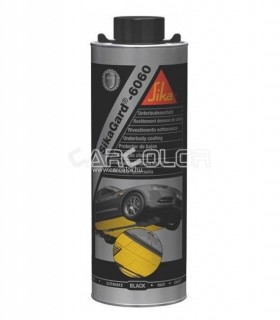

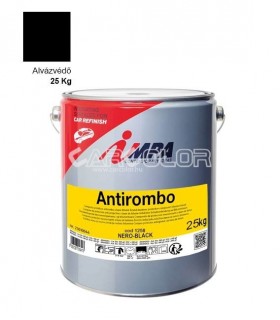

In stock
70,866 Ft
(tax incl.)
Online price
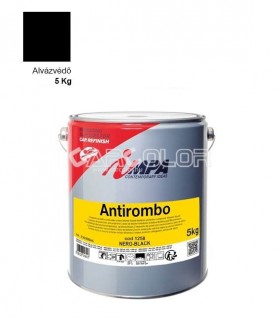

In stock
17,145 Ft
(tax incl.)
Online price


In stock
3,937 Ft
(tax incl.)
Online price
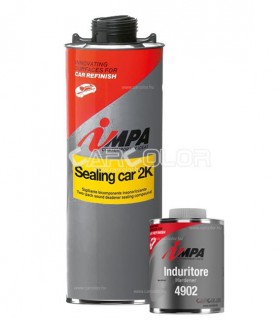
In stock
12,954 Ft
(tax incl.)
Online price

In stock
12,954 Ft
(tax incl.)
Online price
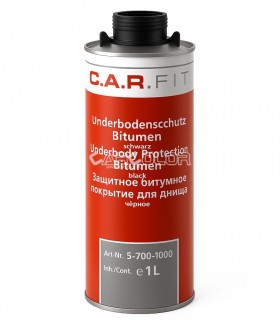
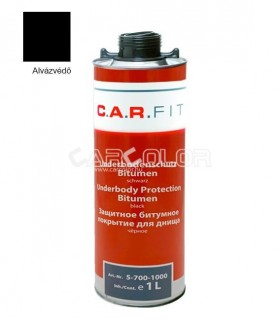
In Stock
3,778 Ft
(tax incl.)
4,445 Ft
Online price
The C.A.R. Fit bitumen underbody protection is an ideal choice for protecting the underbody of cars and other vehicles against corrosion and mechanical damage. This bitumen-based underbody protection provides...
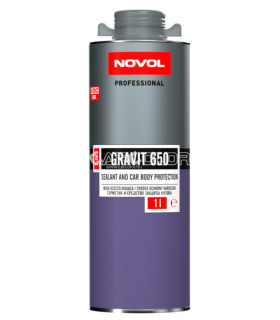
In stock
5,715 Ft
(tax incl.)
Online price
NOVOL GRAVIT 650 2 in 1 Sealant and Underbody Protection Coating forms a strong, flexible, stone chip-resistant protective layer that resists moisture, salt, water, petrol and oil. As a sealant, it can be used for...

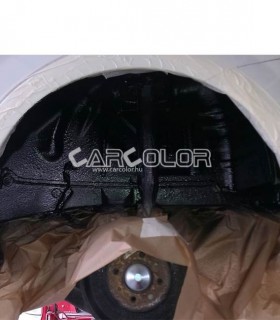
Underbody Protection Coatings for Larger Areas
Underbody protection coatings are used to protect suitable lower vehicle surfaces against corrosion, moisture, stone impact and mechanical exposure.
This category focuses primarily on larger brushable and sprayable packs intended for larger repairs, full underbody treatment and workshop use where aerosol products would be less economical.
The range includes bitumen-based, two-component and other specialist coating technologies.
Brushable Underbody Protection
Brushable underbody coating provides a practical application method where a spray finish is not required.
It can be useful for larger local repairs, vehicle floors and other approved lower body surfaces, depending on the individual product specification.
Sprayable Underbody Coatings
Bulk sprayable underbody protection can be applied with a suitable UBS gun, undercoating gun or other manufacturer-approved spraying equipment.
This application method is particularly useful for covering larger areas efficiently and, with certain products, adjusting the surface texture.
Bitumen Underbody Protection
Bitumen underbody coatings are widely used on suitable vehicle floors and wheel-arch areas.
Depending on the formulation, they can form a relatively thick and flexible layer providing corrosion, moisture and mechanical protection. Some products can also offer sound-damping properties.
Not every bitumen coating can be overpainted, so check the individual technical specification before applying a topcoat.
2K Underbody & Polyurethane Coatings
The range also includes two-component polyurethane protective coatings designed for demanding applications.
These systems chemically cure after the components are mixed and can provide different mechanical properties from conventional bitumen coatings.
Always observe the specified mixing ratio, pot life, surface preparation and safety requirements.
Choosing the Correct Pack Size
Suitable pack size depends on the area being treated, product coverage and application method.
- 1 kg / 1 litre: suitable for smaller repairs and partial treatment.
- 5 kg: more economical for larger areas or multiple repairs.
- 25 kg: primarily suited to regular workshop or high-volume use.
Do not estimate required quantity by vehicle size alone; coating thickness and product coverage can vary considerably.
Bulk Underbody Coating or Aerosol?
Aerosol products are convenient for small local repairs, while larger brushable or sprayable packs are generally more economical for larger sections or complete underbody treatment.
Underbody Coating vs Stone-Chip Protection
Underbody coatings primarily protect lower vehicle surfaces, while stone-chip coatings are commonly used on sills, wheel arches and lower visible body areas exposed to mechanical impact.
Some products can serve both purposes, so always follow the individual application specification.
Underbody Protection vs Cavity Wax
Underbody coating is designed for exposed lower exterior surfaces. Enclosed sections such as internal sills, doors and closed profiles require a dedicated cavity-protection product.
Can Underbody Coating Be Applied over Rust?
Loose, unstable or advanced corrosion should not simply be covered.
Remove loose rust and unstable existing coatings, clean and degrease the substrate, and apply the required primer or corrosion-treatment system before underbody protection where specified.
Surface Preparation
- Clean away road contamination and dirt.
- Remove grease and oil.
- Remove loose corrosion and unstable coatings.
- Prepare or sand the substrate where required.
- Prime exposed metal if specified.
- Allow the substrate to dry completely.
Brush or Spray-Gun Application?
The correct application method depends on the individual product.
Some coatings can be brushed, while others are designed for UBS guns, Airless/Airmix equipment or other specified spraying systems.
Safe Application
Always follow the product label, technical data sheet and safety data sheet. Provide the specified ventilation and respiratory, eye and skin protection.
Frequently Asked Questions About Underbody Protection Coatings
Which underbody coating should I choose?
Select the product according to substrate, required film build, application method and whether the coating needs to be overpainted.
What is the difference between brushable and sprayable underbody coating?
Brushable products are applied manually, while sprayable materials require suitable application equipment. Exact use depends on the individual product.
How much underbody coating is required for a car?
There is no universal quantity. Required material depends on the treated area, specified film thickness, product coverage and application losses.
Is a 5 kg pack suitable for a complete underbody?
A 5 kg pack can be economical for larger areas, but whether it is sufficient depends on product coverage and the area and film thickness required.
Can underbody protection be brushed on?
Only products specifically approved for brush application. Other coatings require suitable spray equipment.
Does underbody coating require primer?
It depends on the substrate and product. Exposed metal often requires an appropriate primer or corrosion-protection system.
Can bitumen underbody coating be overpainted?
Not every bitumen coating can be overpainted. Check the individual technical data before applying subsequent coatings.
 English
 Magyar
&media=https://www.carcolor.hu/shop/16636-large_default/sika-defender-black-1000ml.jpg)
&media=https://www.carcolor.hu/shop/15744-large_default/impa-1258-antirombo-bitumen-based-sound-deadener-compound-25kg.jpg)
&media=https://www.carcolor.hu/shop/15741-large_default/impa-1258-antirombo-bitumen-based-sound-deadener-compound-5kg.jpg)
&media=https://www.carcolor.hu/shop/15738-large_default/impa-1258-antirombo-bitumen-based-sound-deadener-compound-1kg.jpg)
&media=https://www.carcolor.hu/shop/16925-large_default/impa-1902-sealing-car-2k-sound-deadener-sealing-compound-1kg.jpg)
&media=https://www.carcolor.hu/shop/17088-large_default/impa-1902-sealing-car-2k-sound-deadener-sealing-compound-1kg.jpg)


&media=https://www.carcolor.hu/shop/8815-large_default/impa-1535-sound-deadener-protective-1kg.jpg)