



In stock
2,591 Ft
(tax incl.)
3,048 Ft
Online price
Automotive adhesive and sealant products for sealing body seams, welded joints, panel overlaps and other vehicle body repair areas.
The range includes cartridge, sausage-pack, brushable and sprayable polyurethane, STP and other automotive seam-sealing systems. For preformed OEM-style sealing tape, see our dedicated seam sealer tape category.
Automotive sealants and adhesive sealants are used to seal welded seams, panel overlaps and other body joints during vehicle repair.
A correctly selected product forms a flexible seal that can help prevent water, dirt and contaminants from entering panel joints and can form part of the vehicle's corrosion-protection system.
The range includes polyurethane, STP and other professional body-sealing systems supplied in cartridges, sausage packs, brushable and sprayable formats.
Seam sealer is used to restore sealing around welded and overlapping body panels after repair.
Different products can reproduce brushed, extruded or sprayed OEM-style seam patterns depending on the original construction and application equipment.
Cartridge adhesive sealants are commonly supplied in approximately 300–310 ml packs and applied using a suitable caulking gun.
Many products cure to form a flexible seal and selected formulations can also provide bonding properties. Substrate compatibility and structural performance are product-specific.
Polyurethane adhesive sealants are widely used in automotive body repair. Many are moisture-curing one-component systems that form a durable, flexible material after curing.
They can be suitable for sealing welded seams, panel joints and other body connections, depending on the individual product specification.
STP or silane-modified polymer sealants use a different chemistry from conventional polyurethane systems.
Some can be sprayed, brushed or shaped to reproduce specific OEM seam textures. Always use the technical data for the individual product when selecting the system.
Sprayable seam sealers are useful where a broad or textured factory-style sealing pattern must be reproduced.
Final texture can depend on the application gun, air pressure, nozzle, spray distance and material viscosity.
Brushable seam sealers are suited to repairs where an OEM-style brushed finish is required around seams and panel joints.
Application technique influences the final texture, while coat thickness and drying times must follow the product instructions.
Many automotive seam sealers can be overpainted, but this is not universal.
Recoat timing, compatible paint systems and required surface preparation vary by product. Always follow the technical data sheet.
Not every sealant can be applied to the same substrates or at the same stage of the refinishing process.
Paste-type sealers can be shaped during application and are suitable for many different seam widths and profiles.
Seam sealer tape is a preformed product designed to reproduce certain consistent factory-style sealing profiles quickly.
General automotive seam sealants are not automatically suitable for bonded vehicle glazing.
Windscreens and other bonded automotive glass require a dedicated, approved windscreen adhesive system together with the specified primers or activators where required.
Always follow the product label, technical data sheet and safety data sheet. Use the specified ventilation and personal protective equipment for the individual chemical system.
It is used to seal welded seams, panel overlaps and other body joints against water and contamination after repair.
Many products can be overpainted, but recoat timing and compatible paint systems vary. Always check the individual technical data.
They use different chemical technologies and can differ in cure behaviour, adhesion, overpaintability and application characteristics.
Choose according to the original seam texture. Brushable material suits brushed seams, while sprayable products can reproduce broader or textured factory finishes.
Not generally. Bonded automotive glass requires a dedicated windscreen adhesive approved for that application.
Paste or liquid seam sealer is shaped during application, while seam sealer tape is a preformed profile used to reproduce specific factory-style seams.
Please sign in first.
Sign inCreate a free account to save loved items.
Sign inCreate a free account to use wishlists.
Sign in





 English
 Magyar
&media=https://www.carcolor.hu/shop/6592-large_default/car-fit-pu-adhesive-and-sealant-black-310ml.jpg)
&media=https://www.carcolor.hu/shop/6591-large_default/car-fit-pu-adhesive-and-sealant-grey-310ml.jpg)
&media=https://www.carcolor.hu/shop/17598-large_default/sika-sikaflex-529-evo-adhesive-seam-sealant-290ml.jpg)
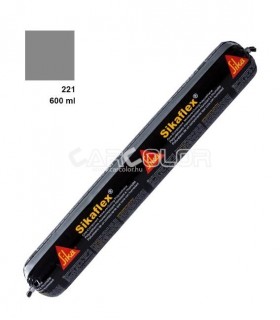
&media=https://www.carcolor.hu/shop/8290-large_default/sikaflex-221-adhesive-sealantr-gray-600ml.jpg)
&media=https://www.carcolor.hu/shop/6470-large_default/sikaflex-221-adhesive-sealantr-black-600ml.jpg)
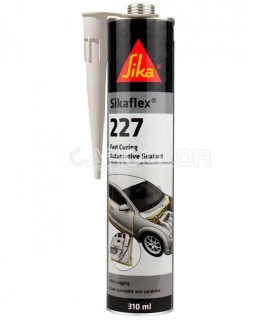
&media=https://www.carcolor.hu/shop/16882-large_default/sikaflex-227-polyurethane-sealant-black-300ml.jpg)
&media=https://www.carcolor.hu/shop/16876-large_default/sikaflex-227-polyurethane-sealant-gray-300ml.jpg)

&media=https://www.carcolor.hu/shop/7998-large_default/vaber-737-brushable-seam-sealer-gray-085kg.jpg)
&media=https://www.carcolor.hu/shop/8266-large_default/vaber-multispray-adhesive-seam-sealer-beige-290ml.jpg)
&media=https://www.carcolor.hu/shop/8263-large_default/vaber-sp5-polyurethane-seam-sealer-white-310ml.jpg)
&media=https://www.carcolor.hu/shop/8264-large_default/vaber-sp5-polyurethane-seam-sealer-black-310ml.jpg)
&media=https://www.carcolor.hu/shop/8265-large_default/vaber-sp5-polyurethane-seam-sealer-gray-310ml.jpg)
&media=https://www.carcolor.hu/shop/16889-large_default/sikaflex-227-polyurethane-sealant-white-300ml.jpg)
&media=https://www.carcolor.hu/shop/8151-large_default/brushable-seam-sealer-gray-1kg.jpg)
&media=https://www.carcolor.hu/shop/8267-large_default/vaber-one-part-polyurethane-adhesive-for-windscreen-310ml.jpg)
&media=https://www.carcolor.hu/shop/6393-large_default/szelvedoragaszto-dinitrol-310ml.jpg)
&media=https://www.carcolor.hu/shop/6396-large_default/sikar-aktivator-100-solvent-wipe-adhesion-promoter-30ml.jpg)
 (400ml)&media=https://www.carcolor.hu/shop/6406-large_default/sikatackr-drive-new-formulation-400ml.jpg)
&media=https://www.carcolor.hu/shop/16895-large_default/sika-sikaflex-529-evo-seam-sealant-300ml.jpg)
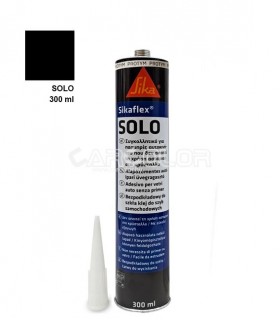
&media=https://www.carcolor.hu/shop/14502-large_default/sikaflexr-solo-primerless-auto-glass-polyurethane-adhesive-300ml.jpg)
&media=https://www.carcolor.hu/shop/5928-large_default/brushable-seam-sealer-grey-1kg.jpg)
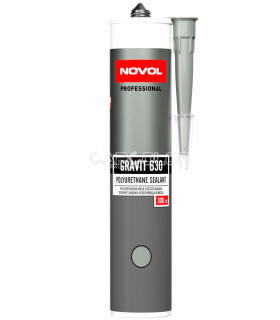
&media=https://www.carcolor.hu/shop/17773-large_default/novol-gravit-630-p3-polyurethane-adhesive-sealant-310ml.jpg)