



In stock
16,668 Ft
(tax incl.)
Online price
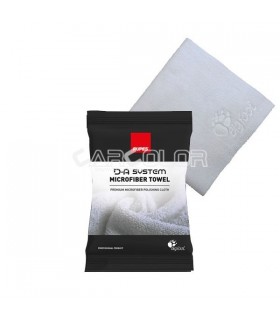
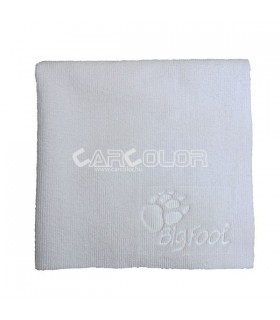
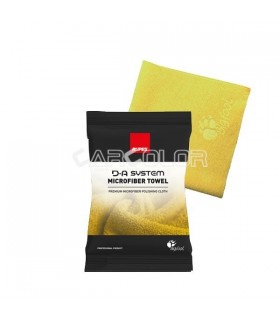
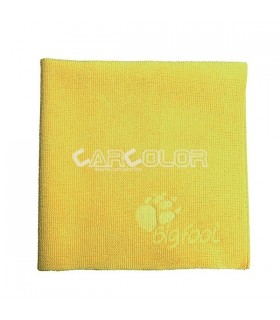
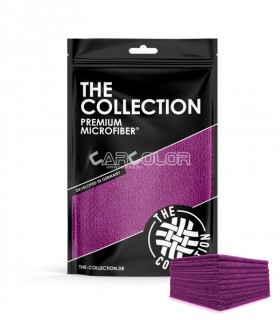
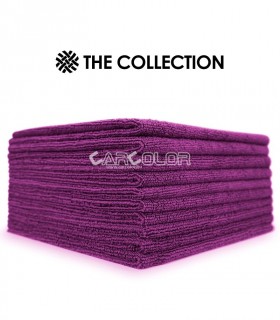
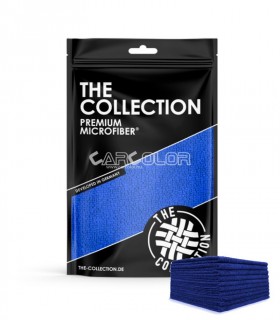
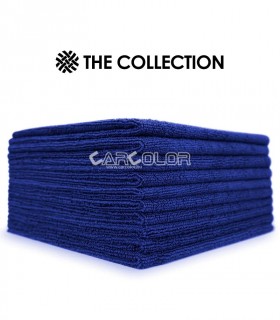
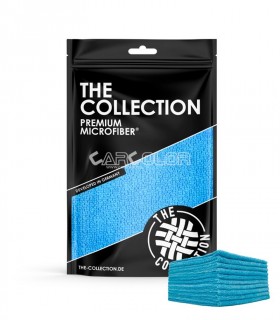
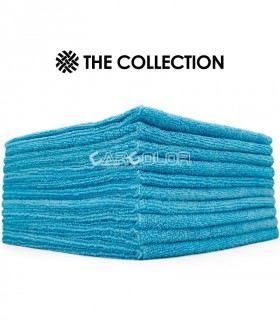
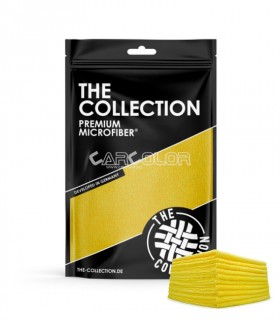
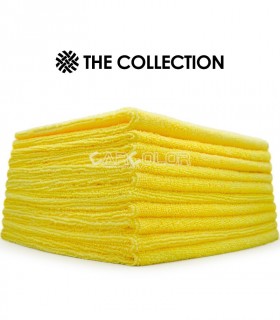
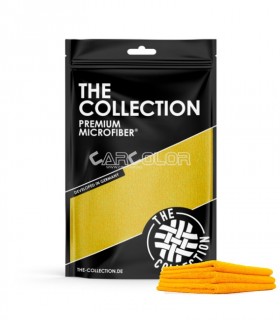
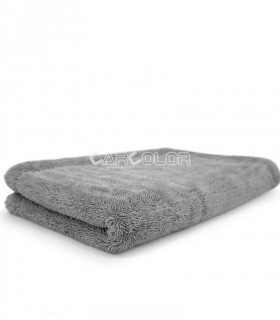
Microfibre cloths for car care, polishing, buffing and surface cleaning. Soft, paint-safe cloths for bodywork, glass and interior surfaces in professional and home detailing.
Microfibre cloths are one of the most versatile tools in car care and detailing. They can be used for removing polishing residue, buffing waxes and sealants, dusting, glass cleaning and maintaining interior surfaces.
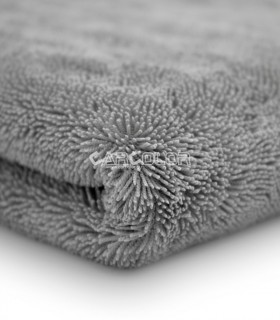
The fine microfibre structure helps collect dust, liquid and product residue while remaining gentle on paintwork and other sensitive surfaces when used correctly.
After polishing, compound residue should be removed with a clean, soft cloth. A suitable microfibre towel helps you wipe the surface without unnecessarily increasing the risk of micro-marring or wipe marks.
Clean cloths are particularly important during finishing and hologram-removal work, as contaminated or hardened towels can compromise an already corrected surface.
Choose the cloth according to the task. The ideal towel for polishing residue is not always the best option for glass or interior cleaning.
Use a clean, soft cloth on painted and clear-coated surfaces. These towels are suitable for removing polishing compounds, waxes, sealants and other detailing products.
For glass, choose a cloth that leaves minimal lint and removes cleaner residue efficiently. This makes it easier to achieve a clear, streak-free finish.
Microfibre towels are also useful for dashboards, plastics, trim and other interior surfaces. Using separate cloths for different jobs helps prevent dirt and chemical residue from being transferred from one surface to another.
A microfibre cloth is only gentle on paint when it is clean and in good condition. Dust, abrasive particles and other hard contamination trapped in the fibres can cause fine scratches during wiping.
Keep several clean towels ready during polishing and replace any cloth that becomes heavily loaded with compound or dirt.
Most quality microfibre cloths can be washed and reused when cared for correctly. Always follow the manufacturer's washing temperature and detergent recommendations.
Fabric softener is generally best avoided because it can coat the fibres and reduce absorbency and cleaning performance. Towels used on paintwork should also be kept separate from heavily contaminated workshop or interior cloths.
Yes. A clean, soft microfibre cloth is ideal for removing polishing compound and other polishing residue. Replace the towel once it becomes heavily loaded with product.
A clean, good-quality microfibre cloth is normally gentle on automotive paint. Scratches are more likely to be caused by dust, grit or abrasive contamination trapped in the towel.
Yes. Most microfibre cloths can be washed and reused. Follow the manufacturer's care instructions and avoid fabric softener where possible, as it can reduce the performance of the fibres.
It is better to use separate cloths for paintwork, glass and interior cleaning. This reduces the risk of transferring dirt or chemical residue between different surfaces.
Use an especially soft, clean cloth on black and other dark paintwork, where micro-marring and wipe marks are more visible.
Please sign in first.
Sign inCreate a free account to save loved items.
Sign inCreate a free account to use wishlists.
Sign in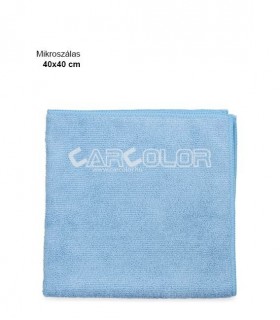






 English
 Magyar
&media=https://www.carcolor.hu/shop/8092-large_default/3mtm-60668-high-performance-cloths-3pcs.jpg)
&media=https://www.carcolor.hu/shop/8358-large_default/microfiber-cloth-1pc.jpg)
&media=https://www.carcolor.hu/shop/6527-large_default/anti-silicon-cloth-roll-210pcs.jpg)


&media=https://www.carcolor.hu/shop/17270-large_default/the-collection-premium-allround-coating-245-gray-microfiber-towel-10-pcs.jpg)
&media=https://www.carcolor.hu/shop/17278-large_default/the-collection-premium-allround-coating-245-purple-microfiber-towel-10-pcs.jpg)
&media=https://www.carcolor.hu/shop/17290-large_default/the-collection-premium-allround-coating-245-royal-blue-microfiber-towel-10-pcs.jpg)
&media=https://www.carcolor.hu/shop/17298-large_default/the-collection-premium-allround-coating-300-short-pile-blue-microfiber-towel-10-pcs.jpg)
&media=https://www.carcolor.hu/shop/17306-large_default/the-collection-premium-allround-coating-300-short-pile-yellow-microfiber-towel-10-pcs.jpg)
&media=https://www.carcolor.hu/shop/17315-large_default/the-collection-premium-allround-365-gold-microfiber-towel-3-pcs.jpg)

&media=https://www.carcolor.hu/shop/17334-large_default/barrier-sponge-premium-applicator-sponge-8-pcs.jpg)

&media=https://www.carcolor.hu/shop/17351-large_default/mesh-pad-bug-remover-microfiber-sponge-2-pcs.jpg)

&media=https://www.carcolor.hu/shop/17369-large_default/premium-applicator-sponge-professional-coating-wax-pad-4-pcs.jpg)


&media=https://www.carcolor.hu/shop/17416-large_default/wipeout-edgeless-microfiber-towels-4-pcs.jpg)