


In stock
9,144 Ft
(tax incl.)
Online price
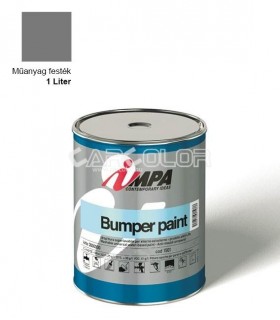
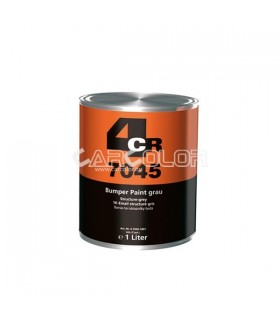
Bumper paints for repairing, refinishing and restoring plastic bumpers and exterior vehicle trim. Durable coatings for correctly prepared plastic components, available in different colours and surface finishes.
Bumper paints are designed for repairing, restoring and refinishing exterior plastic vehicle components. They can help restore the appearance of faded, scratched or previously repaired bumpers and other suitable plastic trim.
Correct surface preparation is particularly important when painting plastic. Cleaning, degreasing and following the recommended coating system are essential for reliable adhesion and an even finish.
Plastic bumper paint is primarily used for refinishing paintable automotive plastic components. Depending on the product, it may also be suitable for trim, spoilers, mirror housings and other exterior plastic parts.
Automotive plastics vary in composition, so always check that the selected paint and primer system is compatible with the particular substrate.
Correct surface preparation has a major influence on adhesion and final finish quality. Plastic parts should be thoroughly cleaned, degreased and prepared according to the requirements of the selected coating system.
Depending on the condition of the existing coating and the type of plastic, sanding, repair work or a dedicated plastic adhesion promoter may also be required.
Some plastic substrates require a suitable plastic primer or adhesion promoter before the topcoat is applied. These products are designed to improve adhesion between the plastic substrate and the subsequent coating layers.
Always consult the technical data sheet for the paint system to determine whether an adhesion promoter is required and which coating sequence should be used.
Bumper coatings may be available in both smooth and textured finishes. Textured products can help reproduce the slightly grained appearance found on certain original plastic vehicle components.
The final texture depends on the product, application method, film thickness and spray technique, so always follow the manufacturer's application instructions.
For smaller repairs, a bumper paint aerosol can provide a convenient solution. Larger areas and professional refinishing may also be carried out with products designed for spray-gun application.
The most suitable option depends on the size of the repair, required finish quality and available application equipment.
When using paints and primers, provide suitable ventilation and wear the personal protective equipment specified in the relevant safety data sheet.
Use a coating system that is compatible with the specific plastic substrate. Some plastics may also require a dedicated adhesion promoter or plastic primer.
It depends on the plastic type, existing coating and selected paint system. Bare plastic often requires a suitable adhesion promoter or plastic primer.
Yes, provided the substrate is in suitable condition and correctly prepared. After cleaning, degreasing and any required sanding, a compatible coating system can be applied.
Textured bumper paint creates a lightly grained surface that can help reproduce the appearance of certain original unpainted or textured plastic vehicle components.
Some products can also be used on other compatible automotive plastic components. Always verify substrate compatibility and follow the manufacturer's application instructions.
Please sign in first.
Sign inCreate a free account to save loved items.
Sign inCreate a free account to use wishlists.
Sign in
 English
 Magyar
&media=https://www.carcolor.hu/shop/15469-large_default/impa-1501-bumper-paint-textured-paint-for-bumpers-and-plastic-1l.jpg)
&media=https://www.carcolor.hu/shop/15472-large_default/impa-1501-bumper-paint-textured-paint-for-bumpers-and-plastic-1l.jpg)
&media=https://www.carcolor.hu/shop/6646-large_default/4cr-7045-bumper-paint-textured-paint-for-bumpers-and-plastic-1l.jpg)