



In stock
4,724 Ft
(tax incl.)
Online price
Automotive primer sprays for refinishing, body repair and surface preparation. Choose from acrylic primers, plastic adhesion promoters, filler primers and anti-corrosion coatings according to the substrate and repair process.
Different primers perform different functions, including adhesion promotion, surface refinement and corrosion protection. Always select the system according to the substrate and subsequent coatings.
Primer spray forms an important preparation layer within many automotive refinishing systems. Depending on the product, it can improve adhesion, refine minor surface irregularities or provide corrosion protection on correctly prepared substrates.
Different substrates and repair processes require different primers. Raw plastic, bare metal, repaired filler areas and existing coatings should not automatically be treated with the same product.
This parent category brings together the main types of automotive primer aerosol and helps you choose the appropriate specialist category.
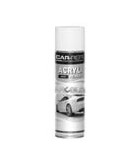
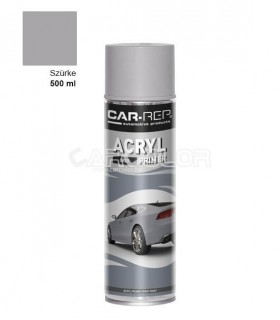
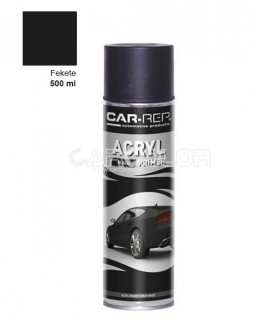
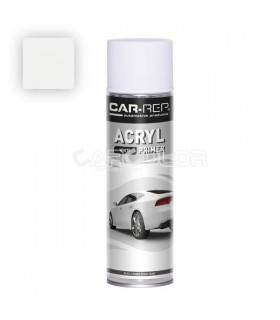
Acrylic primer aerosols provide a convenient solution for various smaller refinishing and preparation jobs. Depending on the individual formulation, they may provide a uniform, sandable or lightly filling intermediate layer.
Always confirm substrate compatibility rather than assuming every acrylic primer is universal.
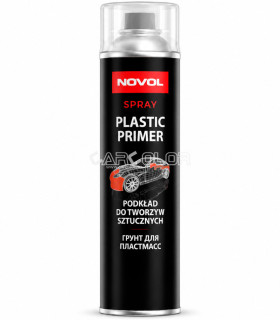
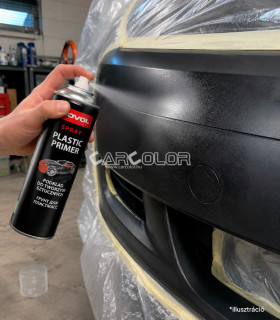
Plastic primer or adhesion promoter is primarily designed to improve adhesion of subsequent coatings to compatible plastic substrates.
Different automotive plastics require different preparation, and no single plastic primer should automatically be assumed suitable for every polymer type.
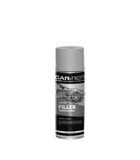
Filler primer or primer surfacer provides additional film build for refining minor sanding marks and surface irregularities.
After suitable drying, sandable filler primer can be refined to create a smoother surface before the colour coat. It does not replace body filler for deeper defects.
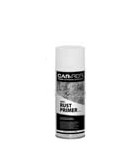
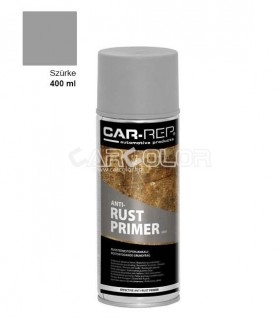
Anti-corrosion primers are designed to protect suitable correctly prepared metal substrates.
This group can include conventional corrosion-resistant coatings, epoxy primers and acid etch primers. These technologies are not automatically interchangeable.
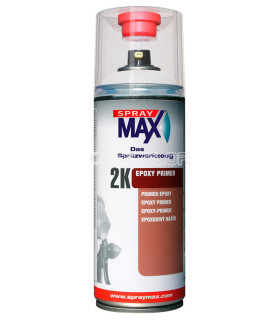
If you specifically need an aerosol primer with an activatable hardener, choose the dedicated 2K Primer Spray category.
That specialist range covers two-component epoxy primers, DTM primer fillers and 2K filler primers, keeping the general primer category focused on broad primer selection.
The correct metal primer depends on both the substrate and the required function.
Bare steel, aluminium and galvanised steel may require different primer technologies. Some products are approved directly over specified metals, while others require a separate epoxy, etch or corrosion-protection system.
Raw plastic frequently requires a specialist adhesion promoter before subsequent coatings are applied.
If additional surface refinement is needed, a compatible filler primer may be applied afterwards where the coating system permits it.
After body filler has been correctly sanded, a suitable filler primer can be used to refine small sanding marks and transitions before colour application.
Primer surfacer cannot replace body filler for larger depressions, deep scratches or major surface defects.
The correct abrasive grade and preparation procedure depend on the primer and complete refinishing system.
Coat count, spray distance, drying time and sanding procedure are product-specific.
1K primer spray is single-component and requires no separate hardener activation. It is convenient for many smaller repair tasks.
2K primer contains an activatable hardener and chemically cures after activation. Depending on the formulation, it can provide different mechanical, adhesion or corrosion-protection properties.
The correct choice depends on the substrate and complete repair system rather than one technology being universally better.
Always use aerosol primers according to the product label, technical data sheet and safety data sheet. Provide the ventilation and respiratory, eye and skin protection specified for the individual coating.
Depending on the product, primer can improve adhesion, refine minor surface defects or provide corrosion protection on correctly prepared substrates.
Raw plastic often requires a compatible plastic adhesion promoter. The correct product depends on the type of plastic and the selected refinishing system.
A sandable filler primer or primer surfacer is generally used to refine minor sanding marks. Deeper defects require suitable body filler or another repair material.
The correct primer depends on the metal and the condition of the substrate. An epoxy, etch or other anti-corrosion primer may be appropriate, but loose corrosion must first be removed.
Primer is a general term covering several coating types. Filler primer specifically provides additional film build for refining small surface irregularities before sanding and painting.
Not always. Filler primers are commonly sanded, while certain adhesion promoters and wet-on-wet primers can be recoated without sanding within a specified recoat window.
1K primer is single-component. 2K primer contains a separate activatable hardener and chemically cures after activation. Exact performance depends on the individual product.
Please sign in first.
Sign inCreate a free account to save loved items.
Sign inCreate a free account to use wishlists.
Sign in

















 English
 Magyar
&media=https://www.carcolor.hu/shop/12238-large_default/car-rep-professional-filler-gray-400ml.jpg)
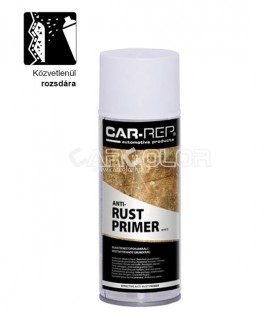
&media=https://www.carcolor.hu/shop/12217-large_default/car-rep-anty-rust-primer-white-400ml.jpg)
&media=https://www.carcolor.hu/shop/12196-large_default/car-rep-acryl-primer-red-500ml.jpg)

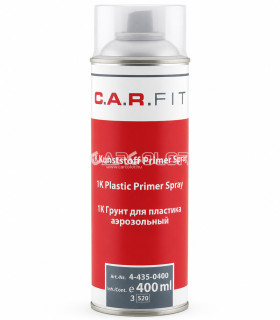
&media=https://www.carcolor.hu/shop/17806-large_default/1k-plastic-primer-spray-400-ml.jpg)
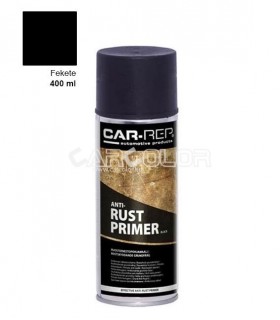
&media=https://www.carcolor.hu/shop/12220-large_default/car-rep-anty-rust-primer-black-400ml.jpg)
&media=https://www.carcolor.hu/shop/12199-large_default/car-rep-acryl-primer-gray-500ml.jpg)
&media=https://www.carcolor.hu/shop/12226-large_default/car-rep-anty-rust-primer-red-400ml.jpg)
&media=https://www.carcolor.hu/shop/12202-large_default/car-rep-acryl-primer-black-500ml.jpg)
&media=https://www.carcolor.hu/shop/13350-large_default/ppg-d8420-deltron-plastic-adhesion-promoter-aerosol-400-ml.jpg)
&media=https://www.carcolor.hu/shop/12208-large_default/car-rep-anty-rust-primer-grey-400ml.jpg)
&media=https://www.carcolor.hu/shop/12205-large_default/car-rep-acryl-primer-feher-500ml.jpg)
&media=https://www.carcolor.hu/shop/17795-large_default/novol-plastic-primer-adhesion-promoter-spray-500ml.jpg)
&media=https://www.carcolor.hu/shop/15442-large_default/2001-universal-primer-spray-400ml.jpg)
&media=https://www.carcolor.hu/shop/17894-large_default/spraymax-2k-epoxy-primer-filler-400ml.jpg)
&media=https://www.carcolor.hu/shop/13347-large_default/ppg-d8426-deltron-1k-aerosol-primer-dark-grey-g7-400ml.jpg)
&media=https://www.carcolor.hu/shop/13326-large_default/car-fit-1k-etch-acid-primer-gray-400ml.jpg)
&media=https://www.carcolor.hu/shop/13341-large_default/ppg-d8421-deltron-1k-aerosol-primer-medium-grey-g5-400ml.jpg)
&media=https://www.carcolor.hu/shop/15454-large_default/2004-filler-spray-1k-gray-400ml.jpg)
&media=https://www.carcolor.hu/shop/13344-large_default/ppg-d8424-deltron-1k-aerosol-primer-grey-g6-400ml.jpg)
&media=https://www.carcolor.hu/shop/15681-large_default/2004-filler-spray-1k-darkgray-400ml.jpg)
&media=https://www.carcolor.hu/shop/16671-large_default/car-fit-1k-epoxy-primer-400ml.jpg)
&media=https://www.carcolor.hu/shop/7593-large_default/car-fit-1k-hi-build-primer-filler-spray-gray-400-ml.jpg)