

Filter By
Filter By
Work Safety & PPE
Personal protective equipment for automotive refinishing, sanding and workshop use. Respiratory protection, gloves, eye protection and protective clothing for working with paint, dust and chemicals.
Subcategories




In stock
26,568 Ft
(tax incl.)
Online price

Last items in stock
8,509 Ft
(tax incl.)
Online price


Last items in stock
23,686 Ft
(tax incl.)
Online price




In stock
13,208 Ft
(tax incl.)
Online price


In stock
2,800 Ft
(tax incl.)
Online price

In stock
13,208 Ft
(tax incl.)
Online price


Last items in stock
14,034 Ft
(tax incl.)
Online price



In stock
1,397 Ft
(tax incl.)
Online price


In stock
17,678 Ft
(tax incl.)
Online price


Last items in stock
3,600 Ft
(tax incl.)
Online price


In stock
86,093 Ft
(tax incl.)
Online price
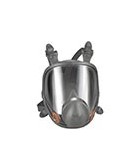
This full facepiece reusable respirator offers lightweight comfort and ease of use. Combine with appropriate 3M™ particulate filters or cartridges to help provide respiratory protection against particulates and/or a...


In stock
10,541 Ft
(tax incl.)
Online price


In stock
21,844 Ft
(tax incl.)
Online price
In stock
26,568 Ft
(tax incl.)
Online price
Work Safety & PPE for Automotive Refinishing
Automotive refinishing, sanding, polishing and working with chemical products require suitable personal protective equipment. Paint mist, sanding dust, solvents and other workshop materials may present different hazards, so the correct level of protection should always be selected for the specific task.
Protective equipment helps reduce exposure to airborne particles, chemicals and splashes while protecting the respiratory system, eyes, hands and body during everyday workshop work.
Respiratory Protection for Painting and Sanding
The correct respiratory protection depends on the material being used and the type of work being carried out. Sanding can release fine dust and particles into the air, while painting and the use of solvent-based materials may also generate vapours and aerosols.
Masks, filters and other respiratory protective equipment should always be selected according to the product safety data sheet, the working environment and the applicable safety requirements.
Protective Gloves and Hand Protection
Protective gloves help reduce direct skin contact with paints, thinners, cleaners, hardeners and other workshop chemicals. The correct glove material should be selected according to the substance being handled, as different glove materials provide different levels of chemical resistance.
Always check the safety information of the product and the chemical resistance specifications of the gloves before use.
Eye and Body Protection
During sanding, painting and repair work, safety glasses, face protection and suitable protective clothing can help protect against dust, paint mist and accidental splashes.
The required level of protection depends on the process and the materials involved, so suitable personal protective equipment should always be selected for the specific job.
PPE for Professional Automotive Painters
Primers, basecoats, clear coats, hardeners, thinners and cleaning products used in automotive refinishing can contain very different substances. There is therefore no single type of protective equipment that is suitable for every refinishing operation.
Before using any chemical product, always check the label and safety data sheet and follow the specified personal protection requirements. Adequate ventilation and appropriate respiratory protection are particularly important during spray application.
Work Safety Equipment for Painting, Sanding and Workshop Tasks
Our range of work safety products is suitable for different automotive refinishing and workshop applications, including surface preparation, sanding, spray painting, cleaning and handling chemical materials.
Choose the protective equipment that matches your specific working process and always follow the manufacturer's instructions and applicable workplace safety requirements.
Frequently Asked Questions About Work Safety & PPE
What type of mask should I use for automotive painting?
The correct respiratory protection depends on the paint, clear coat, hardener, solvent and application method being used. Always follow the product safety data sheet and select respiratory protection suitable for the identified hazards and working environment.
Do I need respiratory protection when sanding?
Sanding can release fine dust and particles into the air. Suitable particle-filtering respiratory protection may therefore be required depending on the material being sanded and the working conditions.
What gloves should I use with automotive paints and thinners?
The correct glove material depends on the chemical product being handled. Always check the safety data sheet and the glove manufacturer's chemical resistance information before selecting protective gloves.
Is the same PPE suitable for every paint product?
No. Different paints, primers, clear coats, hardeners and cleaning products can require different levels of protection. Always select personal protective equipment according to the specific product and process.
 English
 Magyar
&media=https://www.carcolor.hu/shop/8232-large_default/dinitrol-7710-hand-cleaner-10l.jpg)
&media=https://www.carcolor.hu/shop/8050-large_default/3mtm-50425-comfortable-reusable-coverall-l.jpg)

&media=https://www.carcolor.hu/shop/7988-large_default/3mtm-earplugs-1100-series-10pair.jpg)
&media=https://www.carcolor.hu/shop/7941-large_default/3mtm-7502-half-face-respirator-m.jpg)
&media=https://www.carcolor.hu/shop/7913-large_default/3mtm-05911-particulate-filter-p1-2pcs.jpg)
&media=https://www.carcolor.hu/shop/374-large_default/paint-off-hand-cleaning-paste-500ml.jpg)
&media=https://www.carcolor.hu/shop/7996-large_default/3mtm-2125-particulate-filters-p2-2pcs.jpg)
&media=https://www.carcolor.hu/shop/7942-large_default/3mtm-7503-half-face-respirator-l.jpg)
&media=https://www.carcolor.hu/shop/8378-large_default/corcos-comfortable-reusable-overall-xl.jpg)
&media=https://www.carcolor.hu/shop/376-large_default/paint-off-hand-cleaning-paste-45l.jpg)
 Extra Comfortable respirator with exhalation valve FFP2&media=https://www.carcolor.hu/shop/7952-large_default/3m-09322-aura-successor-of-06923-aura-extra-comfortable-respirator-with-exhalation-valve-ffp2.jpg)
&media=https://www.carcolor.hu/shop/8375-large_default/corcos-comfortable-reusable-overall-xxl.jpg)
&media=https://www.carcolor.hu/shop/8094-large_default/3mtm-6200-reusable-half-face-mask-respirator-m.jpg)


&media=https://www.carcolor.hu/shop/8096-large_default/3mtm-6300-reusable-half-face-mask-respirator-l.jpg)


&media=https://www.carcolor.hu/shop/8098-large_default/3mtm-6800-full-facepiece-reusable-respirator-m.jpg)
&media=https://www.carcolor.hu/shop/8088-large_default/3mtm-6055-organic-vapour-filter-a2-2pcs.jpg)

&media=https://www.carcolor.hu/shop/8054-large_default/3mtm-50425-comfortable-reusable-coverall-xl.jpg)