

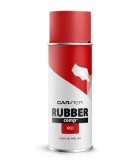



In stock
4,700 Ft
(tax incl.)
Online price
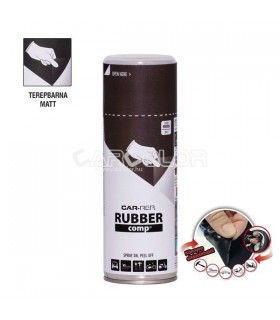
Rubber paint for creating a flexible, peelable rubber coating. RUBBERcomp can be used on compatible metal, plastic, glass, rubber and other surfaces for decorative or protective applications. For aerosol products, see our Liquid Rubber Spray range.
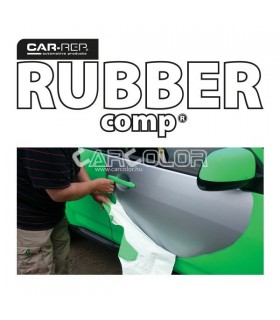
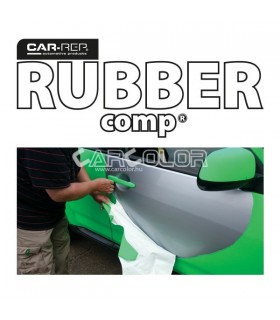
Rubber paint is a specialist coating that forms a flexible rubber film after drying. When applied at sufficient film thickness, RUBBERcomp can later be peeled from a compatible substrate, making it suitable for temporary colour changes, decorative work and surface protection.
It is also commonly described as a flexible rubber coating or peelable rubber paint. Aerosol versions can be applied directly from the can without separate spray equipment.
RUBBERcomp can be used on a range of correctly prepared and compatible substrates. The manufacturer lists materials including metal, plastic, glass, rubber, brick, cardboard and wicker.
Typical applications include:
Compatibility depends on the substrate. Always test a small inconspicuous area first, particularly on previously painted surfaces.
Rubber paint can be useful on compatible automotive and motorcycle parts where a temporary colour change or flexible removable coating is required.
Typical applications include wheels and selected trim or plastic components. Always test factory or previously refinished paint first, as some 1K paint coatings may react with RUBBERcomp.
One of the main characteristics of RUBBERcomp is that it forms a continuous flexible film when applied at the correct thickness.
The dry coating can then be lifted at an edge and peeled away, making it useful where a permanent paint finish is not required.
Adequate film thickness is important. A coating that is too thin may tear into smaller pieces during removal.
Aerosol rubber spray paint can be applied without a compressor or separate spray gun and is convenient for small and medium-sized areas.
For aerosol colours, finishes and detailed application instructions, see the Liquid Rubber Spray category.
This category covers the broader rubber paint product group, while the Liquid Rubber Spray category focuses specifically on aerosol applications.
RUBBERcomp is suitable for several correctly prepared materials but should not be treated as universally compatible with every substrate.
Manufacturer-listed materials include:
RUBBERcomp spray is not recommended for polystyrene. Always carry out a compatibility test on previously painted or unfamiliar surfaces.
According to the manufacturer, RUBBERcomp helps protect coated surfaces against moisture, abrasion and corrosion, while also creating a flexible, grippable surface.
The coating has been tested between -30°C and +90°C. This does not make it a specialist high-temperature paint for components exposed to extreme heat.
Conventional paint is generally intended to create a permanent finish. Rubber paint instead forms a flexible coating that can be removed later when correctly applied.
For permanent automotive refinishing, a conventional paint system may be more appropriate. For a temporary colour change or flexible removable coating, rubber paint may be the better option.
The term rubber paint can sometimes be confused with tyre paint, but RUBBERcomp is not specifically designed as tyre lettering or tyre sidewall paint.
Do not apply coatings to the tyre tread or any area where they could affect grip or safe operation.
Rubber paint is a specialist coating that dries into a flexible rubber film and, when applied at sufficient thickness, can later be peeled from a compatible substrate.
RUBBERcomp forms a flexible coating that can be peeled away when applied at sufficient film thickness. Removal depends on the substrate condition and coating thickness.
It can be used on compatible automotive and motorcycle components, but always test previously painted surfaces first because some 1K paint coatings may react with RUBBERcomp.
Rubber paint is the broader product type. Liquid rubber spray is the aerosol version that can be applied directly from a spray can.
The manufacturer lists metal, plastic, glass, rubber, brick, cardboard and wicker among suitable substrates. Always test unfamiliar surfaces first.
No. The manufacturer's technical data specifically states that RUBBERcomp spray is not suitable for polystyrene.
Not necessarily. RUBBERcomp is a flexible peelable rubber coating and is not specifically designed as tyre lettering or tread paint.
Please sign in first.
Sign inCreate a free account to save loved items.
Sign inCreate a free account to use wishlists.
Sign in







 English
 Magyar
&media=https://www.carcolor.hu/shop/7525-large_default/spray-car-rep-rubbercomp-black-matt-400ml.jpg)
&media=https://www.carcolor.hu/shop/7526-large_default/spray-car-rep-rubbercomp-black-semi-gloss-satin-400ml.jpg)
&media=https://www.carcolor.hu/shop/7532-large_default/spray-car-rep-rubbercomp-transparent-high-gloss-400ml.jpg)
&media=https://www.carcolor.hu/shop/7534-large_default/spray-car-rep-rubbercomp-transparent-matt-400ml.jpg)
&media=https://www.carcolor.hu/shop/7535-large_default/spray-car-rep-rubbercomp-white-semi-gloss-400ml.jpg)
&media=https://www.carcolor.hu/shop/7537-large_default/spray-car-rep-rubbercomp-gun-metal-semi-gloss-400ml.jpg)
&media=https://www.carcolor.hu/shop/7538-large_default/spray-car-rep-rubbercomp-camo-green-matt-400ml.jpg)
&media=https://www.carcolor.hu/shop/7540-large_default/spray-car-rep-rubbercomp-wheel-silver-high-gloss-400ml.jpg)
&media=https://www.carcolor.hu/shop/7542-large_default/spray-car-rep-rubbercomp-red-semi-gloss-400ml.jpg)
&media=https://www.carcolor.hu/shop/7544-large_default/spray-car-rep-rubbercomp-yellow-semi-gloss-400ml.jpg)
&media=https://www.carcolor.hu/shop/7541-large_default/spray-car-rep-rubbercomp-blue-semi-gloss-400ml.jpg)
&media=https://www.carcolor.hu/shop/7539-large_default/spray-car-rep-rubbercomp-camo-brown-matt-400ml.jpg)