

Repairing parking damages

Parking damages, whether minor scratches or more severe dents, are unfortunately part of everyday driving. Whether in a crowded shopping mall parking lot or on a busy street, our cars can easily suffer damage. The good news is that these damages can be repaired, and often, you don’t need to spend a fortune on the fixes. In this blog post, we will detail how to handle and repair such damages, as well as share some useful tips to avoid them in the future.
1. Types of damages
Scratches and minor dents
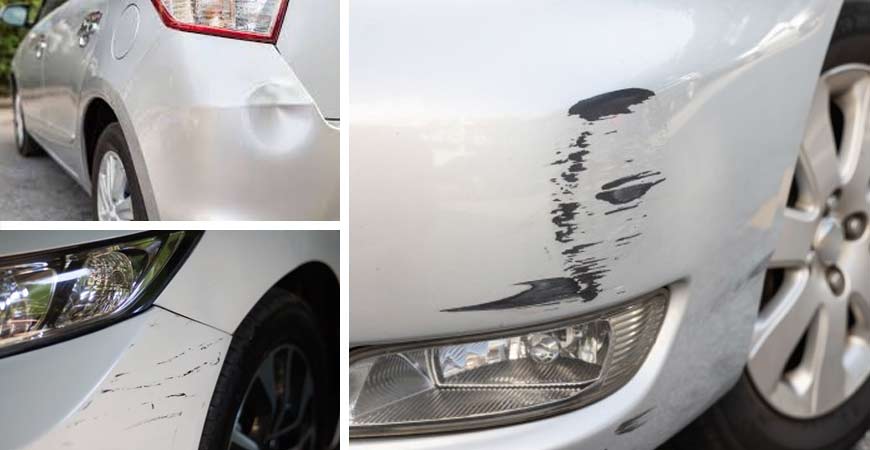
Scratches and minor dents are among the most common parking damages. These can be caused by shopping carts, other car doors, or even careless pedestrians. While scratches and minor dents are often superficial, they can be quite bothersome aesthetically.
Larger dents and breaks
In more serious parking accidents, larger dents or even breaks can occur. These can cause structural damage and affect the functionality of the car. In such cases, professional repair is often unavoidable.
2. How to handle car damages
First step: Damage assessment
Before starting any repairs, it's crucial to thoroughly assess the damage. Examine how deep the scratch or dent is and check for any hidden damage. Some damages may not seem serious at first, but a detailed inspection might reveal the need for more significant intervention.
DIY Repairs
If the damage is minor, you might be able to repair it at home. Here are a few simple methods:
Removing scratches from car paint
-
Scratch removal pen or stift: These products are specifically designed to repair minor scratches. They are very easy to use. Simply apply them to the scratch, let them dry, and then, if necessary, polish the area.
-
Toothpaste or polishing paste: Toothpaste contains fine abrasives that can help remove surface scratches. It's even better to use a polishing paste specifically developed for this purpose, which can be found in stores. Apply a small amount to the scratch, rub it in with a soft cloth, and then wipe it off.
-
Scratch repair kits: These kits contain all the necessary tools and materials for repairing scratches, including abrasives, primer, putty, and lacquer.
Fixing minor dents
-
Dent puller tools: These tools work with vacuum or mechanically and help straighten minor dents. Simply place the tool in the center of the dent and pull.
-
Hot water: If the dent is on plastic parts (like bumpers), try heating the area with hot water and then cooling it quickly. The temperature change might cause the plastic to return to its original shape.
Professional repair
If the damage is more serious or you don't feel confident repairing it at home, seek professional help. Professional auto repair shops use special tools and techniques to quickly and efficiently restore the damage.
3. Prevention
Proper parking habits
One of the best ways to avoid parking damages is to park consciously. Here are some tips:
-
Choose a Parking Spot Further Away: In crowded parking lots, the risk of your car getting damaged is higher. If possible, park further from the entrance where there are fewer cars and pedestrians.
-
Avoid Tight Spots: If a parking spot is too narrow, look for a more spacious one. This reduces the chance of other car doors hitting your car.
-
Parallel Park: If possible, parallel parking poses less risk compared to row parking.
Car accessories
Several car accessories can help protect your car from damage:
-
Door Guards: By attaching these devices to the edges of your doors, you can prevent other car doors from damaging your car.
-
Parking Sensors: While modern cars often come with these as standard, they can also be installed later. They assist with parking and warn of nearby obstacles.
Parking damages are an inevitable part of car life, but with proper attention and conscious parking habits, we can significantly reduce their occurrence. If damage does occur, there are many repair options available, whether through DIY methods or professional services. Remember, maintaining and regularly checking your car helps preserve its value and aesthetic appearance.


 English
 Magyar