




Last items in stock
11,303 Ft
(tax incl.)
Online price
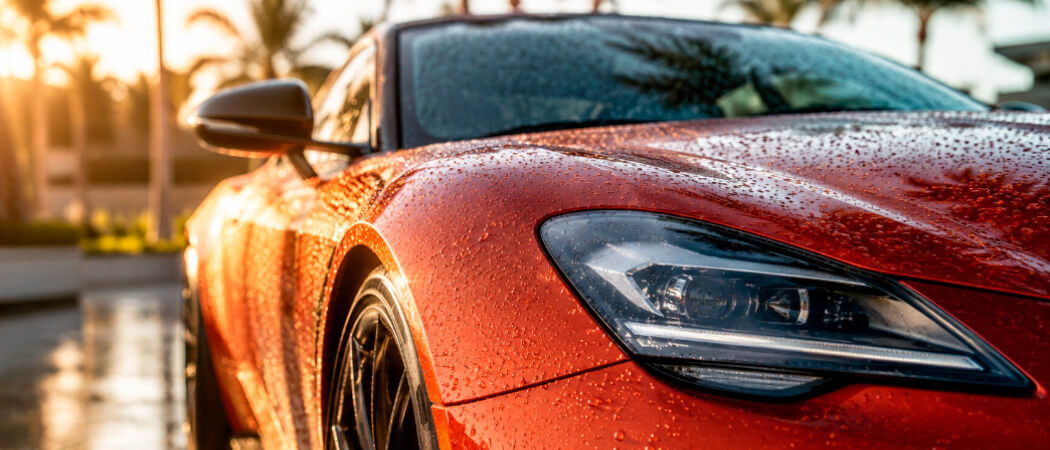
In summer, your car’s paintwork is exposed to especially harsh conditions: strong UV radiation, hot body panels, bird droppings, insect residue, tree sap, and dust can all accelerate clear coat ageing.
During the summer months, many car owners only start paying attention to the exterior when they already notice dullness, stains, or stubborn contamination on the surface. However, protecting the paintwork is not complicated; it only requires regular care and the right maintenance routine. In this article, we explain how to protect your car’s paintwork in summer, what to pay attention to when washing, and which protective layers can help extend the life of the clear coat.
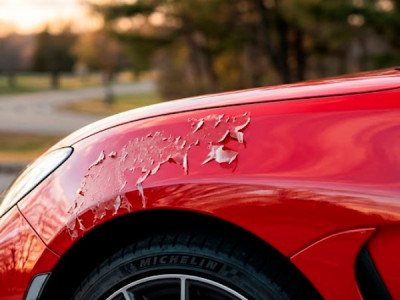
Summer weather puts the clear coat under stress in several ways. Strong sunlight and UV radiation can age the clear coat over time, causing it to lose gloss, become dull, and in extreme cases even crack or peel. Dark-colored cars can heat up especially quickly, which makes contamination bake onto the surface faster.
Bird droppings, insect residue, tree sap, and pollen are not only visually unpleasant, but can also chemically damage the clear coat. If these contaminants remain on the surface for days, especially in direct sunlight, they can cause staining, etching, or marks that are difficult to polish out.
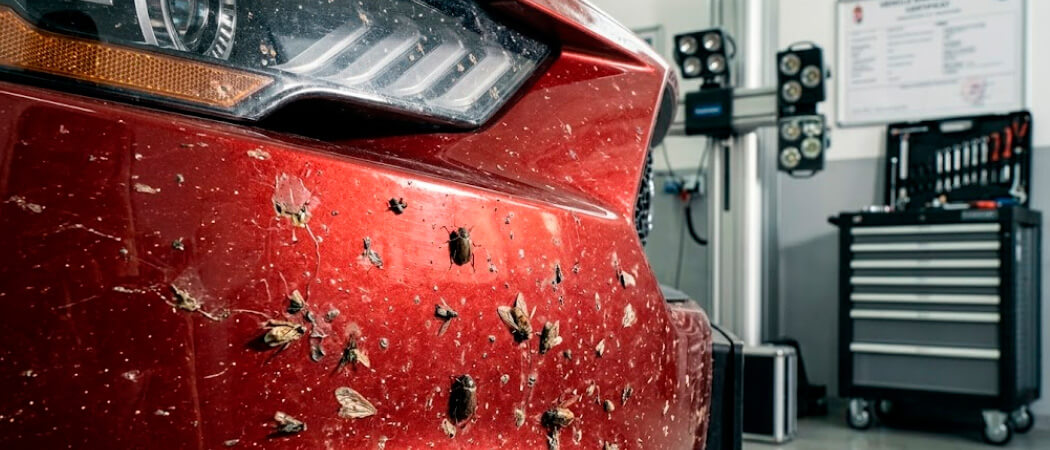
One of the most important rules in summer is not to wash the car in direct sunlight or on hot body panels. Water, shampoo, or cleaning agents dry too quickly under these conditions, leaving stains and preventing the product from working properly. The best time to wash is early morning, late afternoon, or in a shaded area.
Before washing, always rinse the car thoroughly with plenty of water to remove dust and loose dirt from the surface. If this step is skipped, a sponge or wash mitt can easily drag dirt across the clear coat, causing fine scratches. A pH-neutral car shampoo, clean microfiber cloths, and a good-quality drying towel can make a major difference in protecting the paintwork.
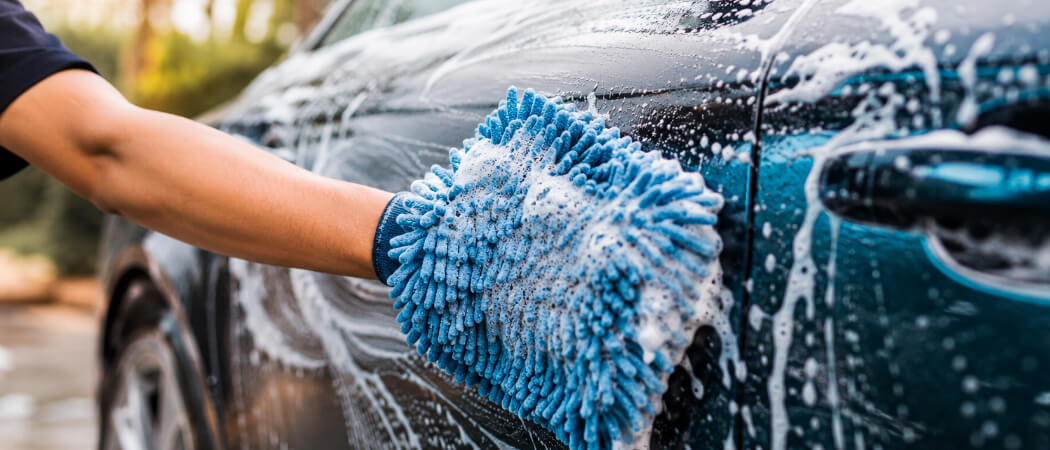
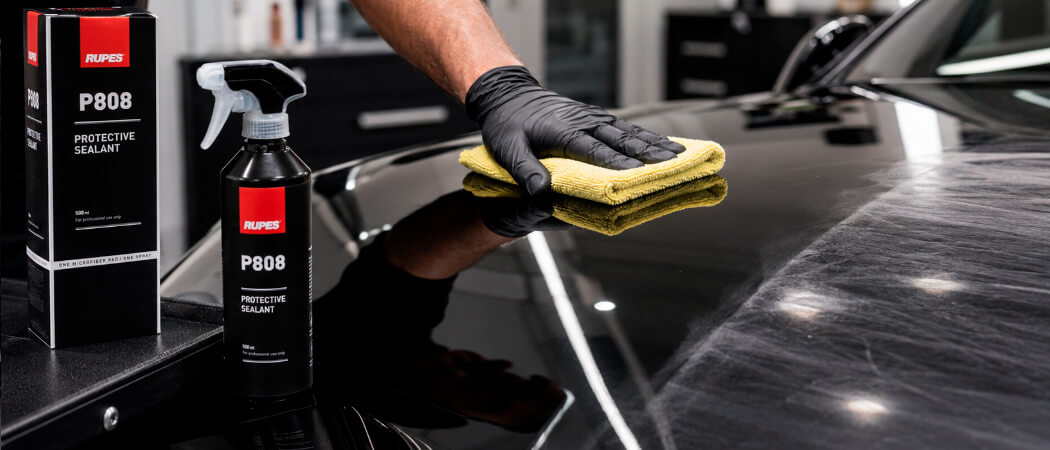
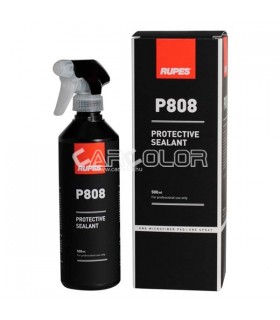
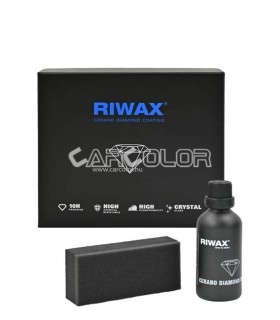
Clean paintwork does not automatically mean protected paintwork. In summer, it is especially useful to apply some form of protective layer, such as wax, quick wax, synthetic sealant, or a ceramic-based coating. These products help reduce the adhesion of water, dirt, and insect residue to the surface.
Wax gives the paint a nice gloss and is a good option for regular home maintenance. Synthetic sealants usually provide longer-lasting protection, while ceramic-style coatings can offer stronger water repellency and easier cleaning. It is important to understand that these products do not make the car invulnerable, but they significantly make cleaning easier and can slow down clear coat ageing.
If the car spends a lot of time in the sun, it is worth looking for shaded parking, using a garage, or at least avoiding long parking periods under trees, because tree sap and bird droppings can cause more serious problems than the sunlight itself.
| Problem | Likely cause | Solution |
|---|---|---|
| Dull paintwork | UV radiation, aged clear coat | Polishing, followed by wax or sealant protection |
| Water spots on the surface | Water drops dried in the sun, mineral deposits | Wash in the shade and dry quickly with a microfiber towel |
| Insect marks on the front bumper | Dried-on insect residue | Use insect remover and clean regularly |
| Tree sap on the clear coat | Parking under trees, sap baked onto the surface by heat | Use a dedicated sap remover and clean carefully |
In general, it is worth washing the car every 1–2 weeks. However, if insect residue, bird droppings, or tree sap gets onto the surface, the contamination should be removed as soon as possible.
It is not recommended. On a hot surface, water and shampoo dry too quickly, leaving water spots and cleaning product residue. Always wash the car in the shade or during a cooler part of the day.
Wax and other protective layers can help slow down clear coat ageing, improve water repellency, and make cleaning easier. They do not provide complete UV protection, but with regular use, the paintwork can stay in better condition for longer.
Remove them as soon as possible. Do not rub them dry; soak the contamination first, then gently wipe it off with a soft microfiber cloth. If left in the sun for too long, bird droppings can etch into the clear coat.
Yes, but only under suitable conditions. Do not work on a hot surface or in direct sunlight. After polishing, it is always worth applying a protective layer, otherwise the freshly cleaned clear coat may become contaminated more quickly.
Your car’s paintwork is exposed to increased stress during summer. UV radiation, heat, bird droppings, insect residue, tree sap, and dust can all damage the clear coat if they remain on the surface for too long.
The best protection is regular, gentle washing, quick contamination removal, and the use of some form of protective layer. If you wash in the shade, use the right tools, and do not allow dirt to dry onto the bodywork, your car’s paintwork can remain glossy, clean, and well-maintained throughout the summer.
Please sign in first.
Sign inCreate a free account to save loved items.
Sign inCreate a free account to use wishlists.
Sign in



 English
 Magyar

&media=https://www.carcolor.hu/shop/17696-large_default/wellwex-premium-sampon-1000-ml.jpg)

&media=https://www.carcolor.hu/shop/17082-large_default/rupes-p808-protective-sealant-500-ml.jpg)
&media=https://www.carcolor.hu/shop/15403-large_default/riwax-keramia-bevonat-cerano-diamond-50ml.jpg)

