

Filter By
Filter By
Acrylic Primer Sprays
Acrylic primer sprays for automotive refinishing, repairs and surface preparation. Convenient aerosol primers for smaller repairs, components and compatible prepared metal or previously painted surfaces.
Depending on the product, acrylic primer can provide a uniform base for subsequent coatings and may also offer sandable or filling properties. Always check the technical data for substrate compatibility.



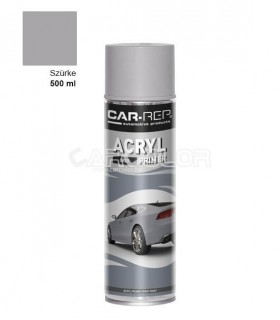
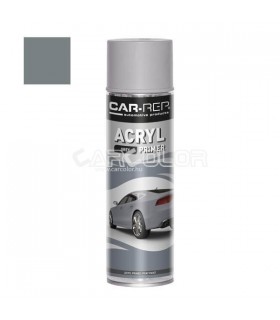
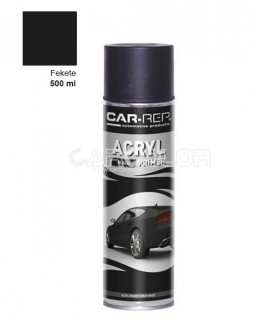


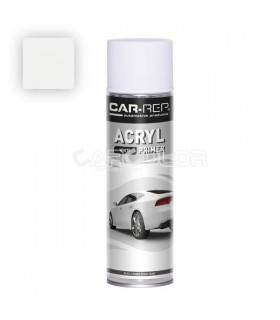


In stock
16,002 Ft
(tax incl.)
Online price

In stock
16,002 Ft
(tax incl.)
Online price

In stock
16,002 Ft
(tax incl.)
Online price
Acrylic Primer Spray for Automotive Refinishing
Acrylic primer spray provides a convenient solution for smaller automotive repairs, component refinishing and preparation work where using a separate spray gun and compressor is unnecessary.
Depending on the formulation, acrylic primer can provide a uniform intermediate layer, improve adhesion or create a sandable surface before subsequent colour coats.
However, acrylic primer is not automatically suitable for every substrate. Metal compatibility, corrosion protection, filling ability and recoating procedures vary between individual products.
What Is Acrylic Primer Spray Used For?
Depending on the individual product, acrylic primer aerosols can be used for:
- small automotive refinishing repairs,
- preparing previously painted surfaces,
- creating a uniform base over repaired areas,
- preparing smaller components before painting,
- compatible metal substrates where approved,
- refining minor sanding marks with suitable high-build products.
Always check the technical specification for the exact approved substrates and applications.
Why Use Primer Before Paint?
Primer forms an intermediate layer within the complete refinishing system. Depending on its formulation, it can improve adhesion, create a uniform substrate, refine minor surface defects or protect the underlying surface.
Correct primer selection and preparation can reduce the risk of adhesion and surface defects, but primer cannot compensate for grease, silicone, contamination, loose paint or poorly prepared substrates.
Acrylic Primer or Filler Primer?
The terms acrylic primer and filler primer can overlap because some acrylic primers also provide filling properties, but the terms do not automatically describe the same type of product.
A general acrylic primer may act primarily as an intermediate primer, whereas a higher-build primer surfacer or filler is specifically designed to refine sanding scratches and small surface irregularities before sanding.
Can Acrylic Primer Be Applied to Bare Metal?
This depends entirely on the individual product. Some acrylic primer aerosols are approved for direct application to specified metal substrates, while other systems require an anti-corrosion, epoxy or etch primer first.
Aluminium, galvanised steel and other specialist substrates require particular attention to manufacturer-approved compatibility.
Do not assume that every acrylic primer provides complete corrosion protection on bare metal.
Acrylic Primer on Plastic
Acrylic primer alone is not always sufficient on plastic components. Many plastic substrates require a suitable plastic adhesion promoter before additional primer or colour coats are applied.
The exact coating sequence depends on the plastic type and the selected paint system.
Preparing the Surface Before Priming
- Clean the surface thoroughly.
- Degrease using a suitable silicone remover.
- Sand or scuff according to the requirements of the coating system.
- Remove loose corrosion and poorly adhering coatings.
- Remove dust before spraying.
- Mask surrounding areas where required.
The correct abrasive grade depends on the substrate and the individual primer system.
How to Apply Acrylic Primer Spray
- Prepare and degrease the substrate.
- Mask surrounding areas.
- Shake the aerosol thoroughly according to the manufacturer's instructions.
- Carry out a test spray.
- Maintain the specified spray distance and apply controlled overlapping passes.
- Apply the recommended coats with the specified flash-off time.
- Allow the primer to dry correctly.
- Sand where required by the product system.
- Clean the surface again before applying the next coating.
Does Acrylic Primer Need Sanding?
Many sandable acrylic primers are refined after suitable drying, particularly where a smooth substrate is required beneath the colour coat.
Other primers can be recoated without sanding within a specified recoat window. Always follow the individual product's sanding and recoating instructions.
Choosing the Primer Colour
Acrylic primers can be available in grey, white, black and other shades. Primer colour can influence the hiding of the subsequent colour coat and the number of coats required.
Where possible, follow the paint-system manufacturer's recommendation for the appropriate primer shade.
Can Acrylic Primer Be Applied Over Rust?
General-purpose acrylic primer should not simply be applied over loose or active corrosion. Corrosion should first be removed or treated correctly.
If corrosion protection is the primary requirement, a suitable anti-corrosion, epoxy or other specialist primer system may be more appropriate.
Acrylic Primer Spray or 2K Epoxy Primer?
The two systems serve different purposes. 1K acrylic primer spray is convenient for smaller and faster repair work, while a 2K epoxy primer is a chemically curing two-component system that can provide different adhesion and corrosion-protection properties.
Select the system according to the substrate, repair size, subsequent coatings and required performance.
Safe Use of Acrylic Primer Aerosols
Use aerosol primers only in the working environment specified for the individual product. Provide suitable ventilation and use the respiratory, eye and skin protection required by the label and safety data sheet.
Frequently Asked Questions About Acrylic Primer Sprays
What is acrylic primer spray used for?
Depending on the product, acrylic primer can create a suitable base for subsequent paint, provide a uniform surface and, with certain products, help refine minor sanding marks.
Can acrylic primer spray be applied directly to metal?
Only where the manufacturer approves the primer for the specific metal substrate. Some repairs require a separate anti-corrosion, epoxy or other specialist primer first.
Can acrylic primer be used on plastic?
Not automatically. Many plastic substrates require a suitable adhesion promoter before additional primer or colour coats are applied.
What is the difference between acrylic primer and filler primer?
Acrylic primer can serve general priming functions, while filler primer is specifically designed to provide greater film build for refining minor surface irregularities. Some acrylic primers also have filling properties.
Does acrylic primer need to be sanded before painting?
It depends on the product. Many sandable acrylic primers are refined before the colour coat, while others can be recoated without sanding within a specified recoat window.
How many coats of acrylic primer should I apply?
There is no universal coat count. Follow the specified number of coats, film build and flash-off times for the individual primer.
Can acrylic primer be sprayed directly over rust?
General acrylic primer should not simply be applied over loose or active corrosion. Remove or treat the corrosion correctly and use a suitable corrosion-protection primer system where required.
 English
 Magyar
&media=https://www.carcolor.hu/shop/12196-large_default/car-rep-acryl-primer-red-500ml.jpg)
&media=https://www.carcolor.hu/shop/12199-large_default/car-rep-acryl-primer-gray-500ml.jpg)
&media=https://www.carcolor.hu/shop/12202-large_default/car-rep-acryl-primer-black-500ml.jpg)
&media=https://www.carcolor.hu/shop/12205-large_default/car-rep-acryl-primer-feher-500ml.jpg)
&media=https://www.carcolor.hu/shop/15442-large_default/2001-universal-primer-spray-400ml.jpg)
&media=https://www.carcolor.hu/shop/13347-large_default/ppg-d8426-deltron-1k-aerosol-primer-dark-grey-g7-400ml.jpg)
&media=https://www.carcolor.hu/shop/13341-large_default/ppg-d8421-deltron-1k-aerosol-primer-medium-grey-g5-400ml.jpg)
&media=https://www.carcolor.hu/shop/13344-large_default/ppg-d8424-deltron-1k-aerosol-primer-grey-g6-400ml.jpg)