






In stock
12,827 Ft
(tax incl.)
Online price
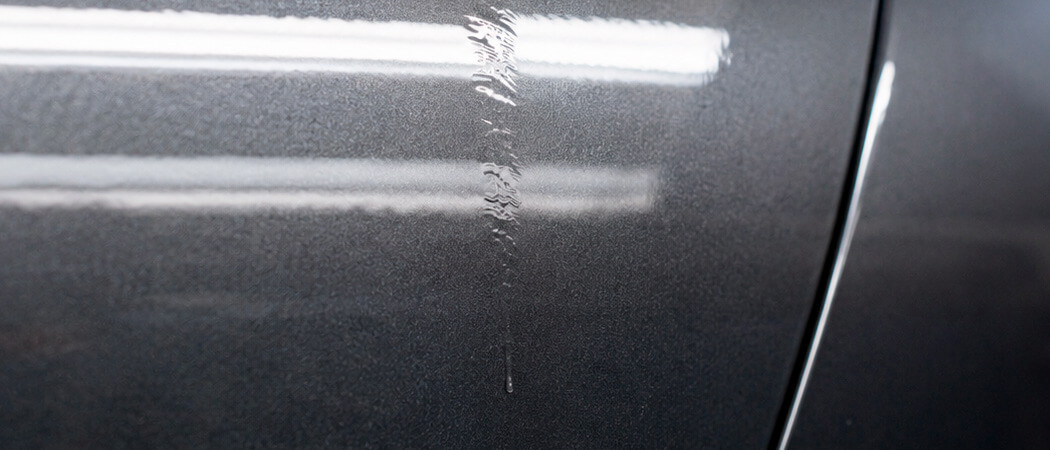
Paint runs are one of the most frustrating paint defects, because they are immediately visible: the paint or clear coat builds up, slides down the surface, and leaves a streak, wave, or drip-shaped mark behind.
This defect can occur during aerosol spray repairs, spray gun painting, clear coating, or while applying the color coat. In most cases, paint runs are not caused by a material defect, but by applying too much paint, spraying from too close, moving too slowly, using incorrect layer thickness, or not allowing enough flash-off time between coats.
In this article, we explain why car paint runs, when it can be repaired at home with sanding and polishing, and when the surface needs to be repainted.
A paint run occurs when the applied paint or clear coat is too thick, so it cannot adhere and level evenly on the surface. The excess material moves downward due to gravity and leaves a streaky, wavy, or drip-like mark behind.
Paint runs are especially common on vertical surfaces such as doors, fenders, bumpers, or sill areas. On horizontal surfaces, the defect may appear more like material build-up, a thick clear coat spot, or a wavy surface. The problem can be a minor clear coat run that is barely visible, or a heavy, thick paint drip.
The cause of a paint run is almost always that too much wet material is applied at once, or the layer does not have enough time to flash off before the next coat. In this case, the paint does not form a stable film, but starts to move on the surface.
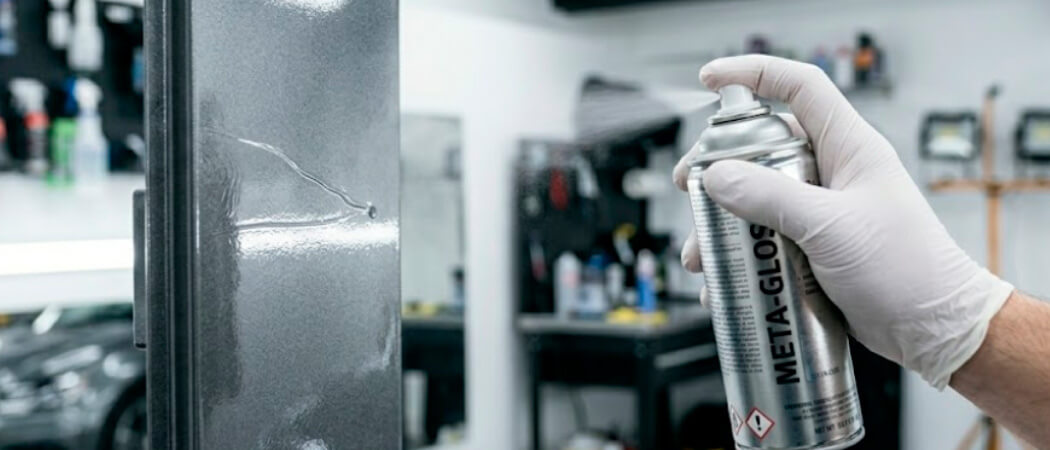
The most important rule is this: do not try to wipe off freshly run paint immediately. This usually causes more damage, because it smears the layer, damages the surrounding surface, and makes the defect harder to repair later. In most cases, you need to wait until the paint or clear coat has fully dried and hardened.
A paint run or clear coat run should only be sanded once it has properly hardened. If you touch it too early, the material will smear, clog the sandpaper, and can leave a wavy, dull, or damaged surface. Always follow the manufacturer’s recommended drying time for the product.
If the run is in the clear coat and there is enough material thickness, the defect can be repaired with fine sanding. The goal is to level only the raised run area with the surrounding surface, not to unnecessarily thin the entire clear coat layer.
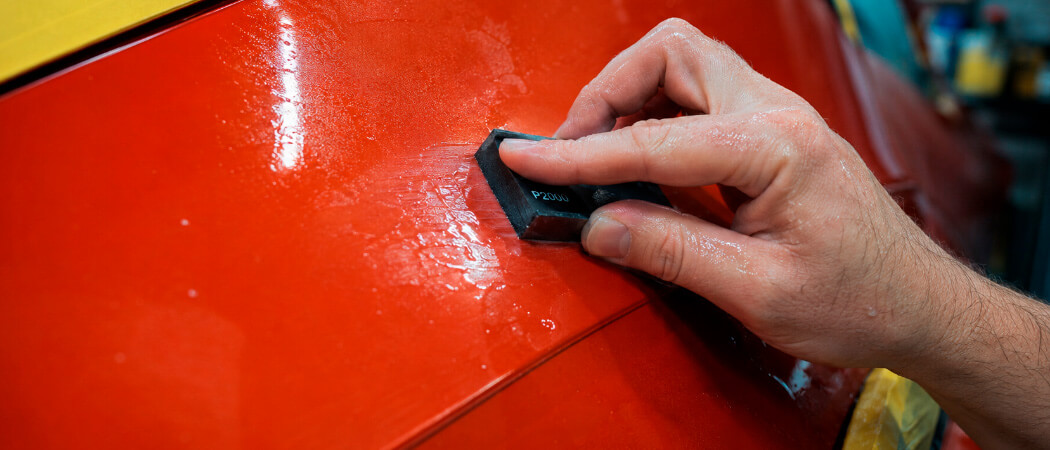
If the run is very deep, located in the color coat, or the clear coat is sanded through during correction, polishing will no longer be enough. In this case, the surface must be sanded back and repainted using the correct coating system. This is especially important with metallic and pearl colors, where damage to the color coat can cause patchiness or shade differences.
The same rule applies to aerosol spray repairs: if only the clear coat has run, it can often be corrected. If the color coat itself has moved, or the surface is patchy, that area must be primed, repainted, and clear coated again.
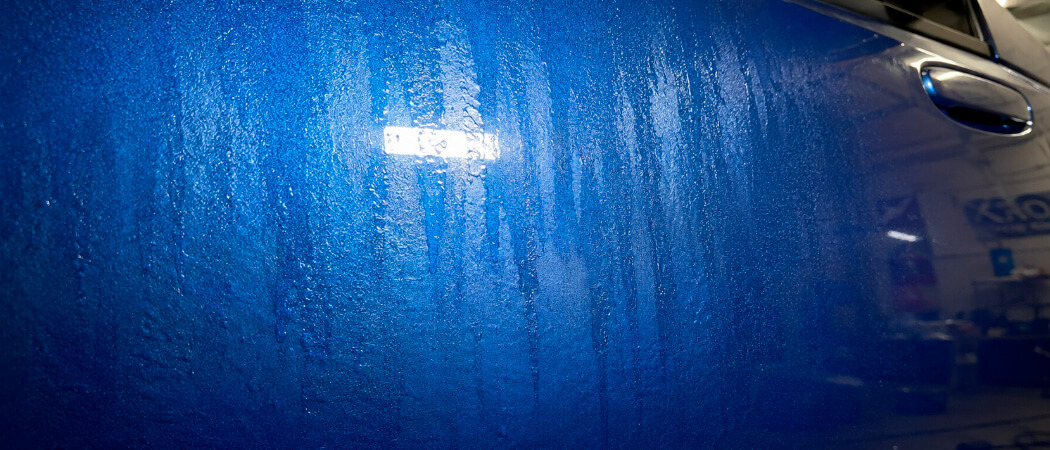
| Symptom | Likely cause | Solution |
|---|---|---|
| Thin clear coat streak on the surface | Clear coat applied slightly too thick | Fine sanding and polishing after full drying |
| Heavy, thick paint drip | Material sprayed too close or too slowly | Sand back, repaint if necessary |
| Run on a vertical panel | Too much wet material in one coat | Use thinner coats and longer flash-off time |
| Color coat is patchy or has shifted | Base coat applied too thick or poor technique | New base coat and clear coat are required |
It is not recommended. Wiping usually smears the paint, damages the surrounding layer, and creates a larger defect. It is safer to wait for full drying and then repair the area with sanding and polishing.
Polishing alone is usually not enough. First, the raised run must be carefully sanded level, and then the gloss can be restored by polishing.
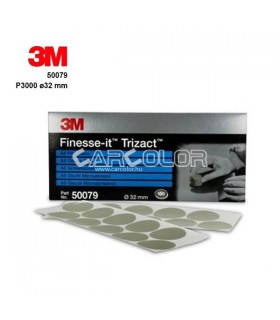
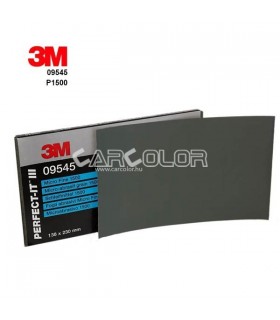
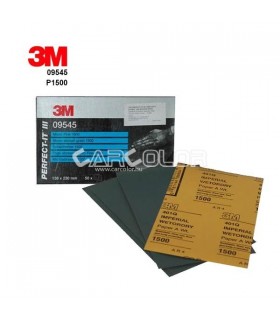
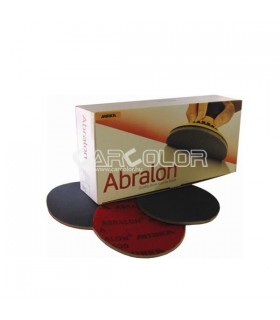
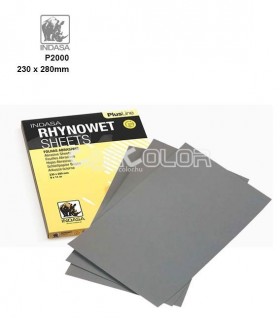
In general, fine wet sanding paper is recommended, such as P1500, P2000, and then P3000. Coarser paper works faster, but it also increases the risk of sanding too deep.
Common mistakes when using spray cans include spraying too close, moving too slowly, or applying too many coats in a short time. The can should be moved at a consistent distance, in steady passes, using several thin coats.
If the run is deep in the color coat, causes patchiness in metallic or pearl colors, or the clear coat has been sanded through, repainting is required. In such cases, home polishing will not produce a clean or durable result.
Paint runs are most often caused by applying too thick a coat, spraying from too close, moving too slowly, allowing too little flash-off time, or using incorrect material settings. The defect is highly visible, but it is not always irreversible.
If the run is only in the clear coat and there is enough material on the surface, it can often be repaired at home after full drying with fine wet sanding and polishing. However, if the color coat is damaged, the defect is too deep, or the clear coat has been sanded through, repainting is needed for a durable and visually clean result.
Please sign in first.
Sign inCreate a free account to save loved items.
Sign inCreate a free account to use wishlists.
Sign in






 English
 Magyar

&media=https://www.carcolor.hu/shop/17181-large_default/rupes-ceramic-denibbing-blade-25cm-x-25cm.jpg)
&media=https://www.carcolor.hu/shop/8017-large_default/3m-50079-trizact-fine-finishing-disc-p3000.jpg)
&media=https://www.carcolor.hu/shop/17670-large_default/3m-02085-trizact-fine-finishing-disc-p3000.jpg)
&media=https://www.carcolor.hu/shop/6740-large_default/mirka-abralon-o150-sanding-sponge-pad-p3000.jpg)
&media=https://www.carcolor.hu/shop/8218-large_default/indasatm-rhynowet-wet-dry-use-sandpaper-9-x-11-p1500.jpg)
&media=https://www.carcolor.hu/shop/7963-large_default/3mtm-09545-perfect-ittm-microfine-abrasive-p1500.jpg)
&media=https://www.carcolor.hu/shop/6737-large_default/mirka-abralon-o150-sanding-sponge-pad-p2000.jpg)
&media=https://www.carcolor.hu/shop/8220-large_default/indasatm-rhynowet-wet-dry-use-sandpaper-9-x-11-p2000.jpg)
&media=https://www.carcolor.hu/shop/7965-large_default/3m-02044-perfect-it-microfine-abrasive-138x230-mm-p2000.jpg)