Spray Primer – Fast and Efficient Surface Preparation
Spray primers play a crucial role in painting projects as they prepare the surface for the final coating. These primers enhance adhesion, smooth out surface imperfections, and extend the lifespan of the topcoat. Whether for automotive refinishing, metal protection, or plastic surface treatment, selecting the right primer is essential.
Which spray primer should you choose?
Choosing the right primer depends on the application and the material being treated. Here are the most common types:
- Acrylic primer spray – A universal primer that offers quick drying and excellent adhesion.
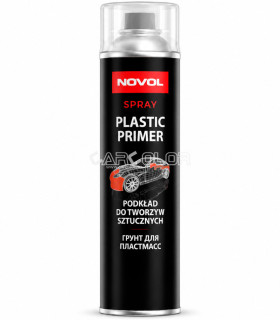
- Plastic primer spray – Specifically designed for pre-treating plastic surfaces.
- Filler primer spray – A thicker primer layer used to fill minor imperfections and scratches.
- Rust-inhibiting primer spray – A special coating developed to protect metal surfaces from corrosion.
Each primer type has different properties, so always select the one that best suits the surface and intended application.
Why is primer important?
- Enhances adhesion – Helps the topcoat adhere properly to the surface.
- Levels out imperfections – Fills in minor scratches and surface irregularities.
- Extends the lifespan of the topcoat – Prevents paint from peeling or wearing off prematurely.
- Provides protection – May include anti-corrosion and weather-resistant properties.
Primer Types and Applications
| Primer Type |
Application |
| Acrylic primer |
General surfaces, wood, plastic, metal |
| Plastic primer |
PP, ABS, and other plastics pre-treatment |
| Filler primer |
Hiding scratches and small imperfections |
| Rust-inhibiting primer |
Corrosion protection for metal surfaces |
How to Properly Apply Spray Primer?
Proper primer application is essential for successful painting. Follow these steps to ensure a durable and even coating:
1️⃣. Surface preparation: Clean the surface thoroughly to remove dust, grease, and contaminants. Use a silicone remover for maximum adhesion.
2️⃣. Sanding: If necessary, smooth the surface with fine sandpaper (e.g., P400-P600).
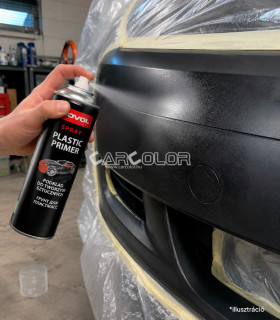
3️⃣. Priming: Shake the primer can thoroughly, then apply in thin, even layers from a distance of about 20-30 cm.
4️⃣. Drying: Allow the primer to dry according to the manufacturer’s instructions (typically 10-30 minutes per layer).
5️⃣. Sanding and additional layers: If needed, lightly sand the primer (e.g., P800-P1000), then reapply as necessary.
Tips for the Best Results
- Always apply primer at an appropriate temperature (15-25°C) in a dust-free environment.
- Avoid applying thick layers all at once, as they may drip.
- Use masking tape to protect areas that should not be painted.
- Apply in smooth, even motions to prevent uneven coverage.
Choosing the right spray primer and applying it correctly significantly improves the success of painting projects. Whether for automotive refinishing, metal, or plastic surface treatment, priming is a vital step for achieving a long-lasting and aesthetically pleasing finish.
Need assistance? Contact us today!
CarColor has been an expert in coatings since 1991! ✔️ ✈️ Shipping: 1-2 days ☎️ +36 30 573 8511 ➤ ⚡



 English
 Magyar
&media=https://www.carcolor.hu/shop/17795-large_default/novol-plastic-primer-adhesion-promoter-spray-500ml.jpg)